

In a sane world, widespread fraud, rampant conflicts of interest, the corrupt peer review system, and the replication crisis would be enough to convince anyone that medical science is fundamentally untrustworthy.
But most people would rather let perceived experts dictate their beliefs—especially in medicine, where appeals to authority routinely crowd out independent judgment.
This article is for them.
The emperor admits he has no clothes
What follows is a compilation of damning admissions from some of the most authoritative figures in medical science—top editors of the world’s most influential medical journals: The Lancet, The New England Journal of Medicine, The BMJ, JAMA, and more.
Short of study authors confessing outright fraud in their own work, these are the most credible admissions you’ll ever hear.
Your doctor cannot be trusted
Nearly everything doctors do—what they learn in medical school, what guidelines they follow, what drugs they prescribe, what procedures they perform—is based on research published in medical journals. The entire medical system is downstream from that literature. And doctors don’t verify this research themselves. They simply trust it.
But here you have the editors-in-chief of the world’s most prestigious medical journals unequivocally admitting that the journals are corrupt and the research cannot be trusted.
Blind deference to the presumed expertise of doctors isn’t just willful ignorance—it’s profoundly self-destructive, if not outright suicidal.
The admissions
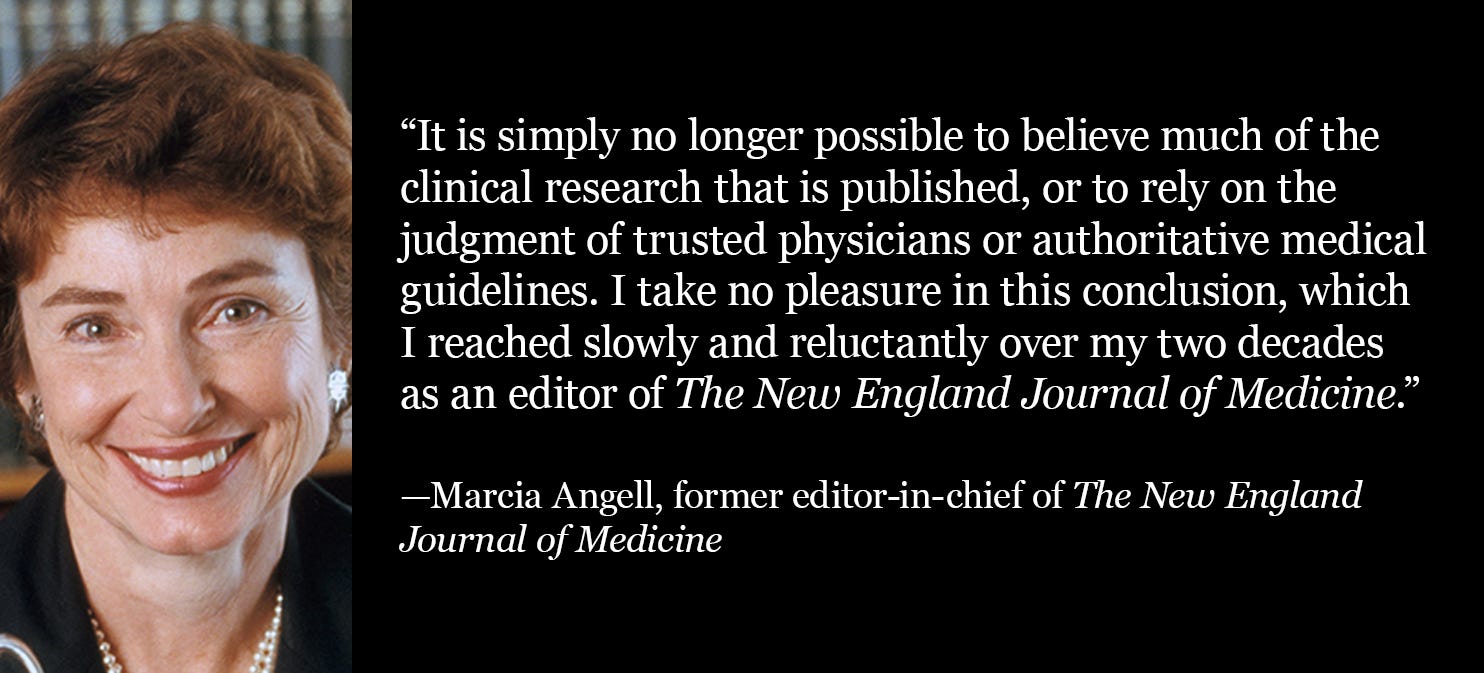
Marcia Angell is the former editor-in-chief of The New England Journal of Medicine, where she served on the editorial staff from 1979 to 2000. She’s also a physician and Senior Lecturer in Global Health and Social Medicine at Harvard Medical School.
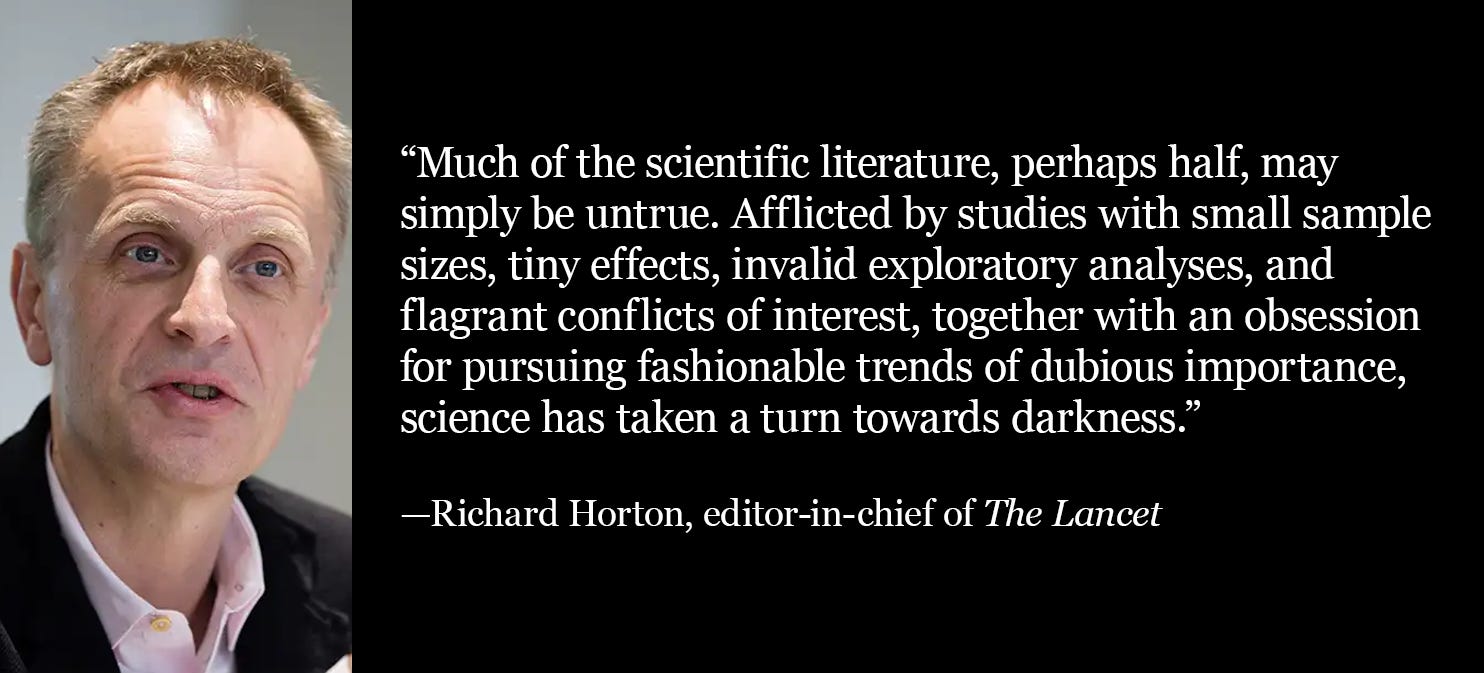
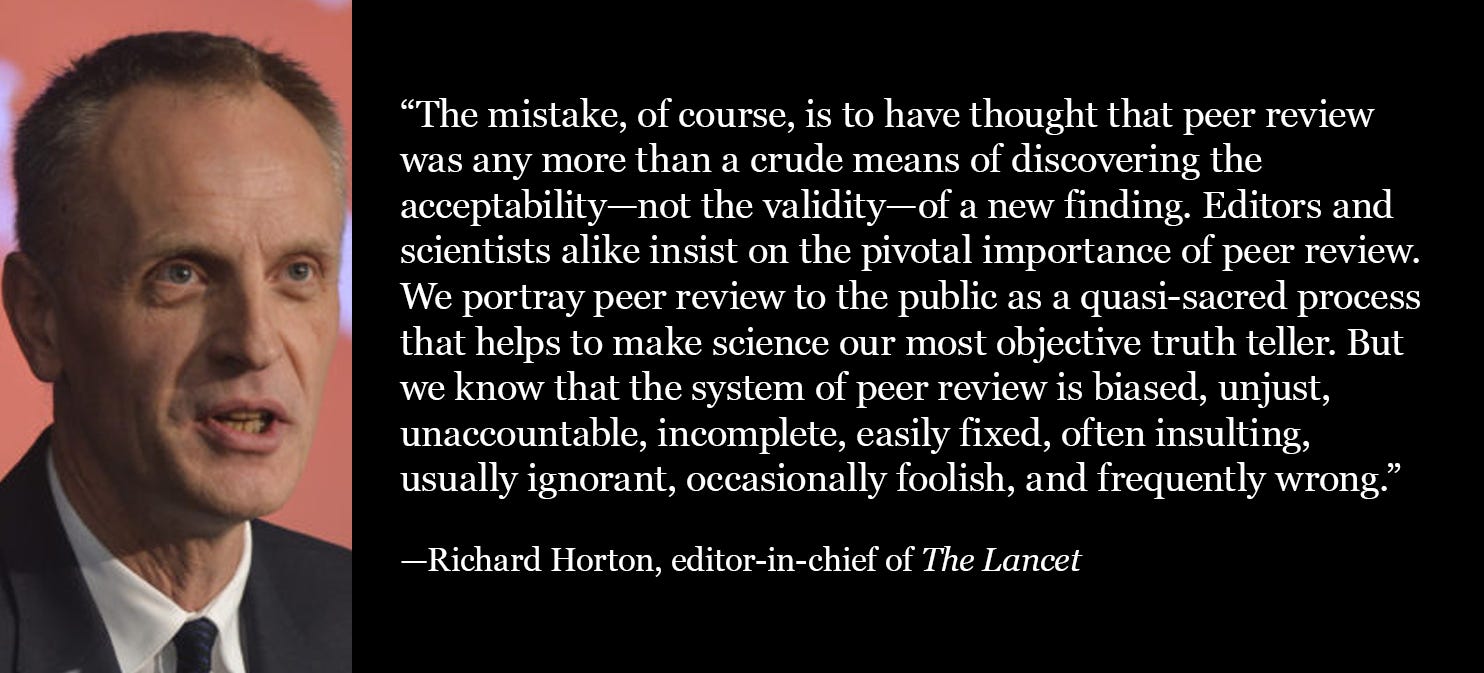
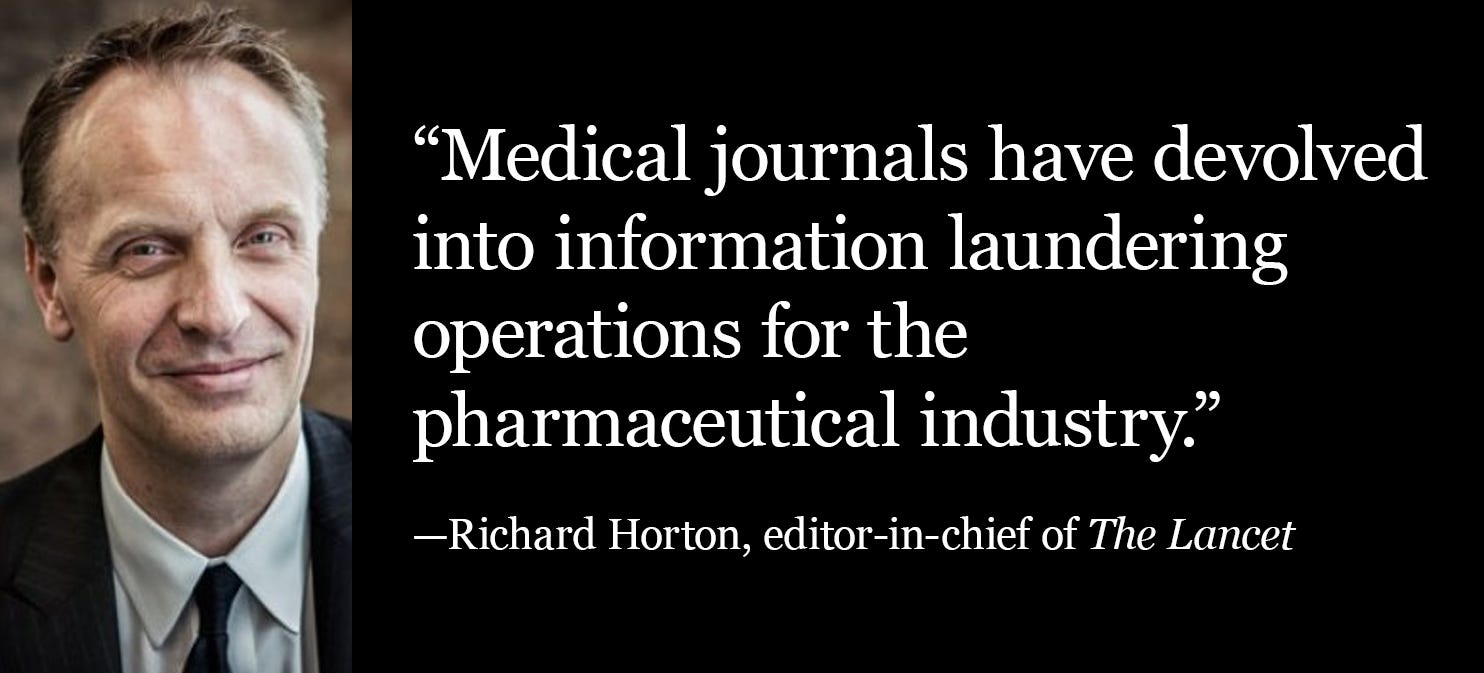
Richard Horton has been editor-in-chief of The Lancet since 1995. He’s also a physician and honorary professor at the London School of Hygiene and Tropical Medicine, University College London, and the University of Oslo.
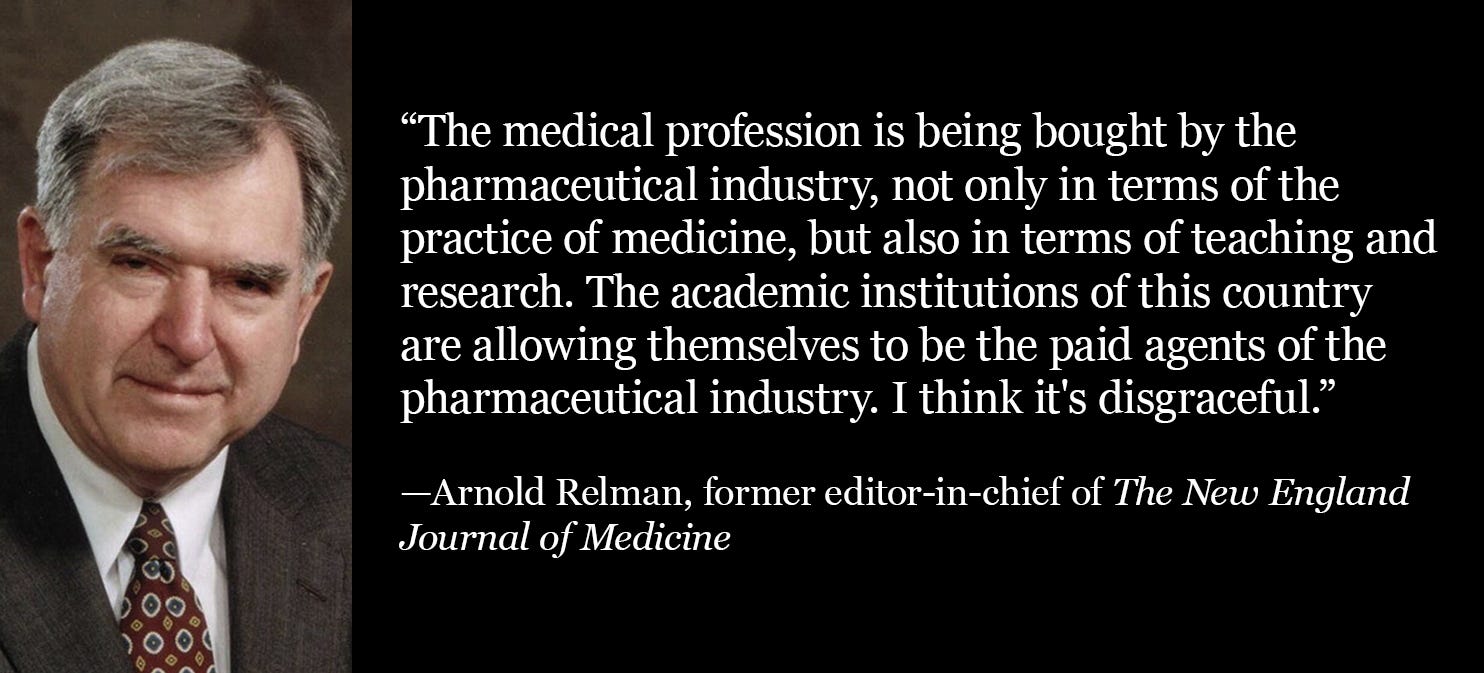
Arnold Relman was editor-in-chief of The New England Journal of Medicine from 1977 to 1991. He was also a physician and professor of medicine and social medicine at Harvard Medical School and served as president of the American Federation for Clinical Research, the American Society for Clinical Investigation, and the Association of American Physicians.
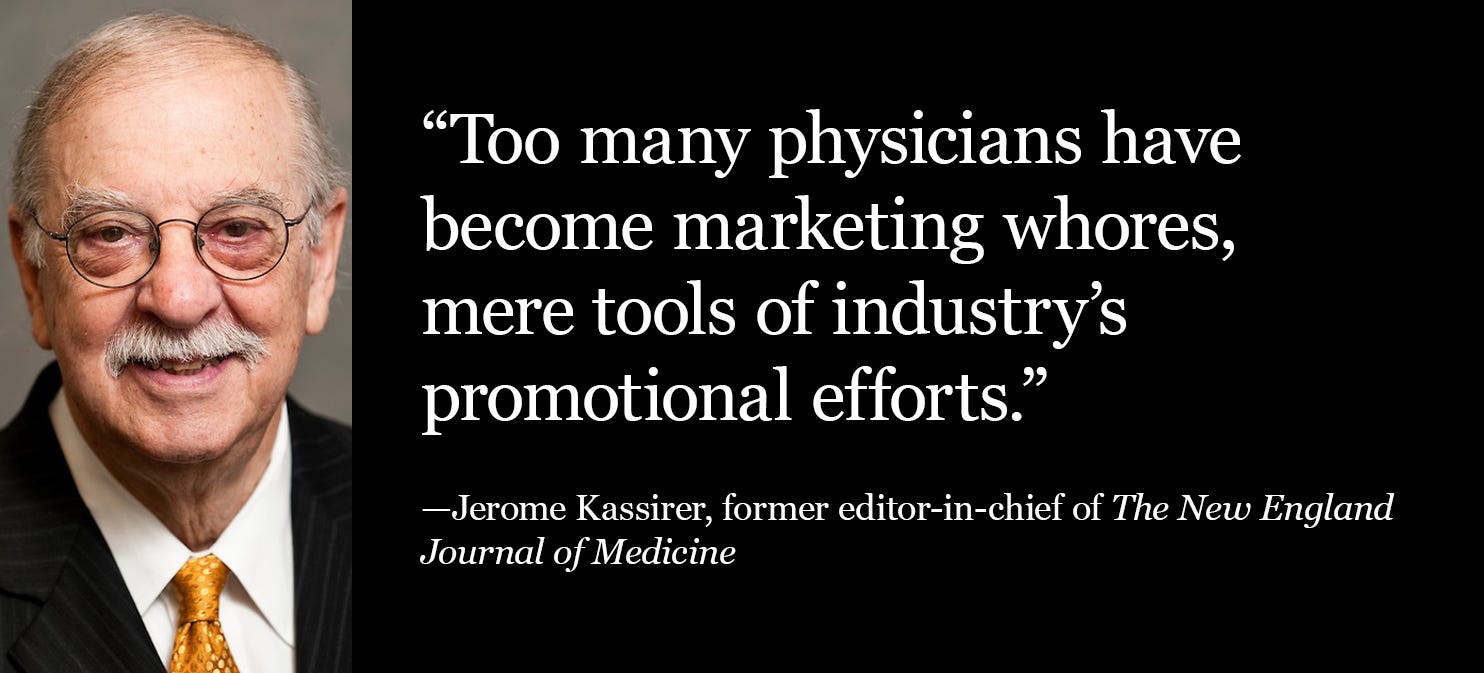
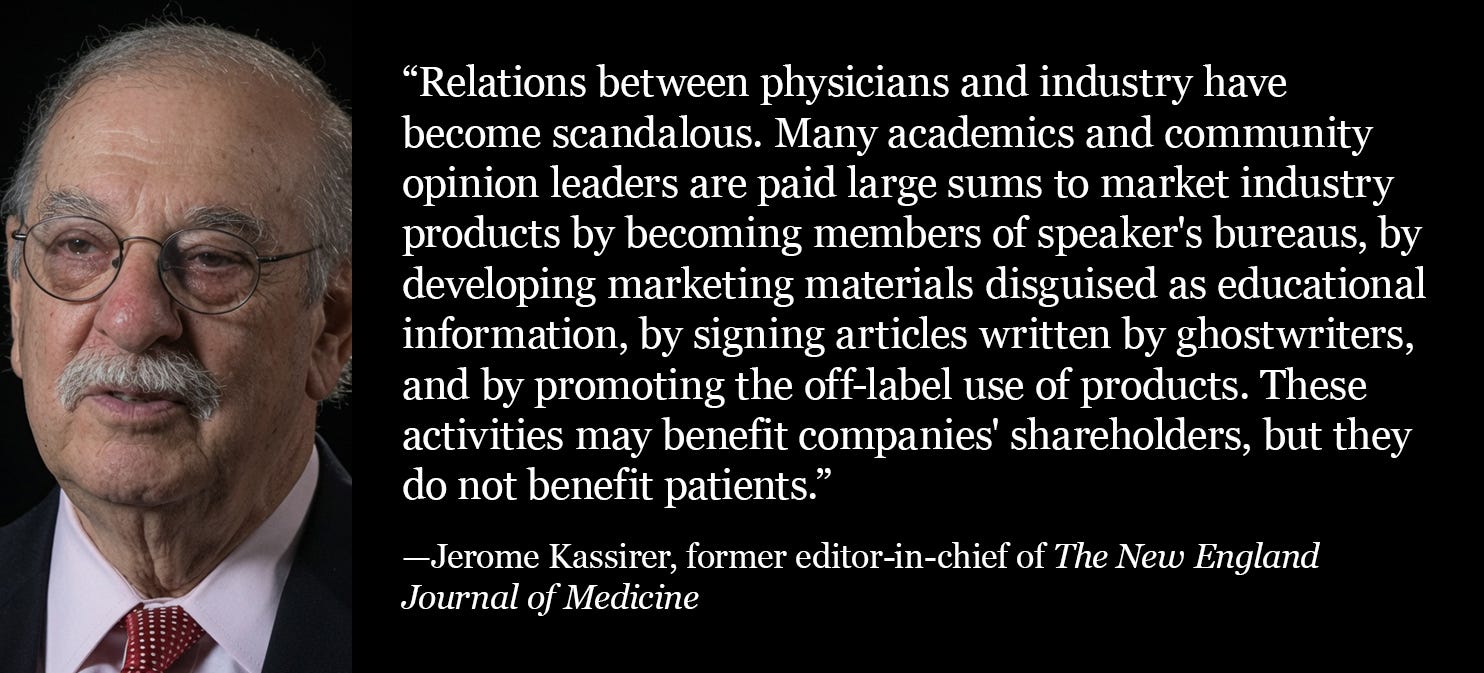
Jerome Kassirer was editor-in-chief of The New England Journal of Medicine from 1991 to 1999. He’s also a physician, Distinguished Professor at Tufts University School of Medicine, former Lecturer in Medicine at Harvard Medical School, and Master of the American College of Physicians.
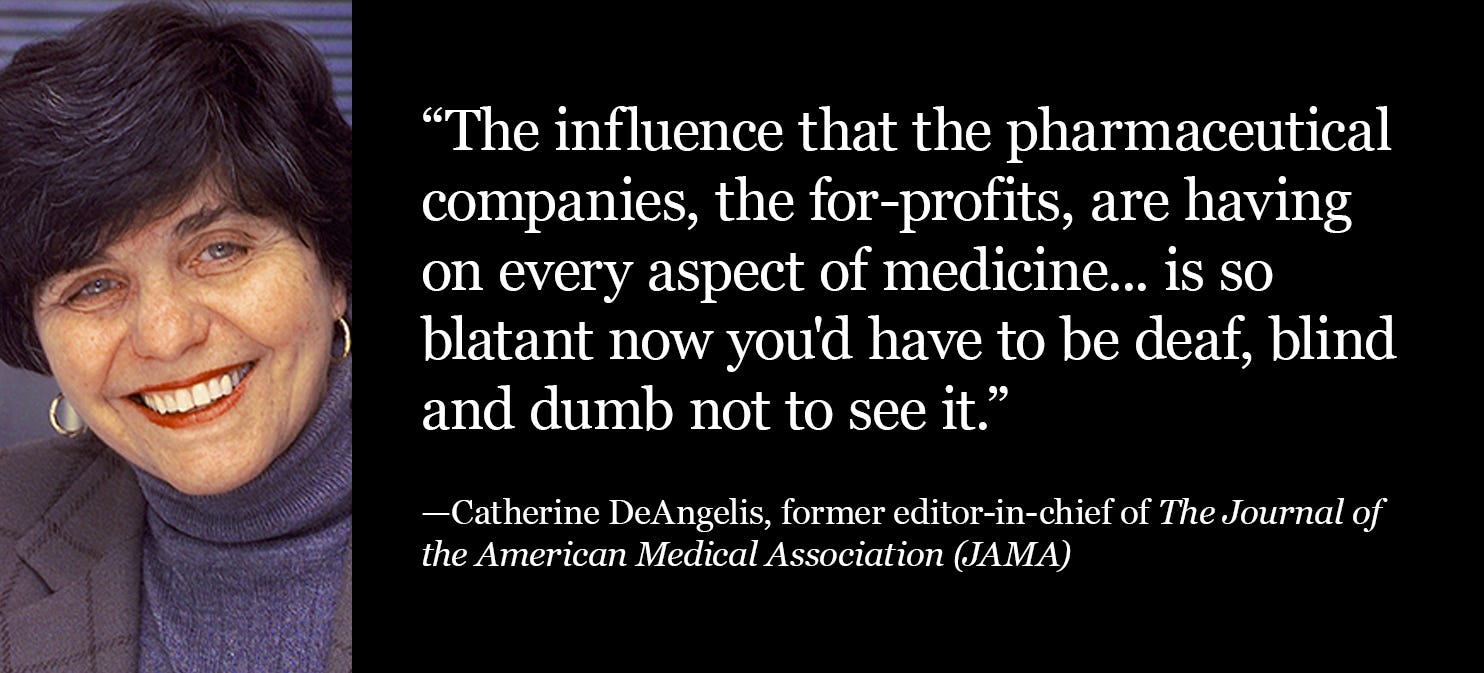
Catherine DeAngelis served as editor-in-chief of The Journal of the American Medical Association from 2000 to 2011. She’s also a physician and University Distinguished Service Professor Emerita at Johns Hopkins University, with appointments in the School of Medicine and Bloomberg School of Public Health.
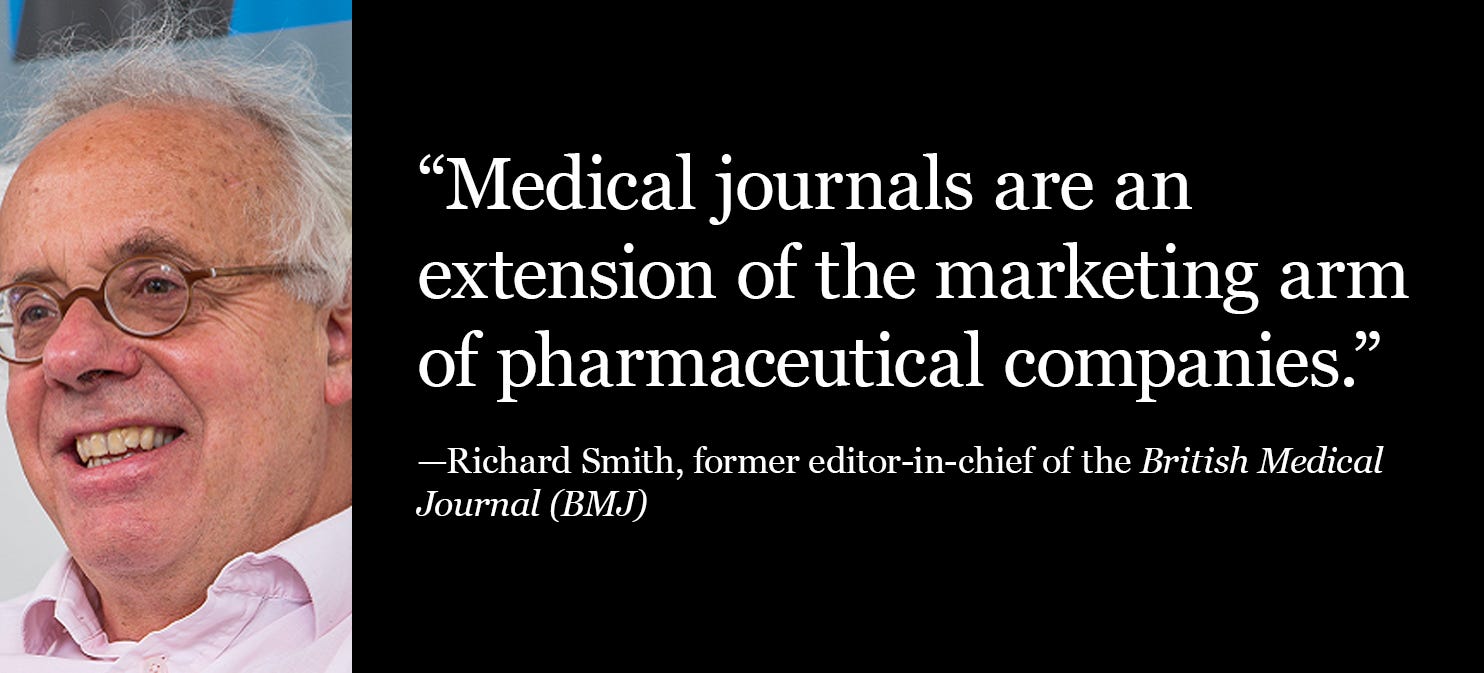
Richard Smith served as editor-in-chief of The BMJ and chief executive of the BMJ Group from 1991 to 2004. He’s also a physician, honorary professor at Imperial College London and the University of Warwick, director of the UnitedHealth Chronic Disease Initiative at Emory University, and chair of the Cochrane Library Oversight Committee.
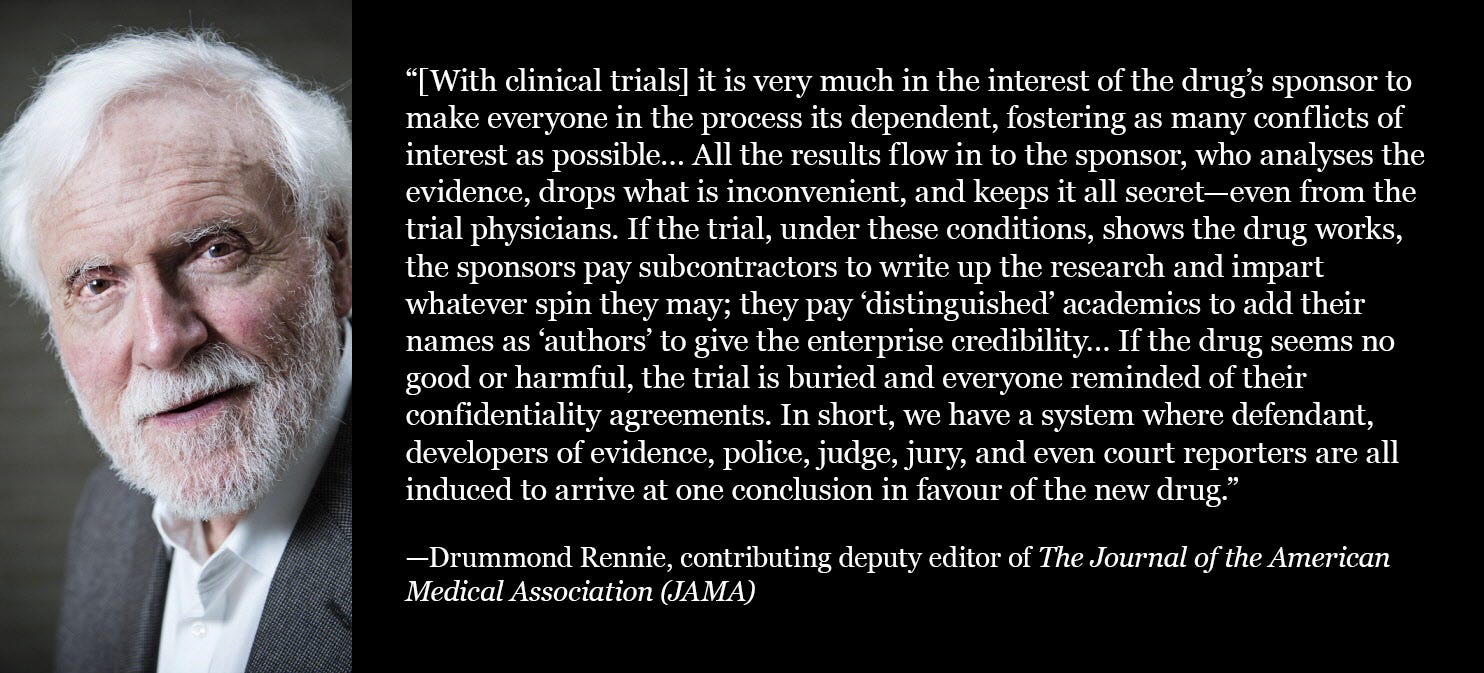
Drummond Rennie was a physician who served in editorial roles at The Journal of the American Medical Association from 1983 to 2013, including as deputy editor. He previously served as deputy editor of The New England Journal of Medicine from 1977 to 1981 and later became an adjunct professor of medicine at the University of California, San Francisco.
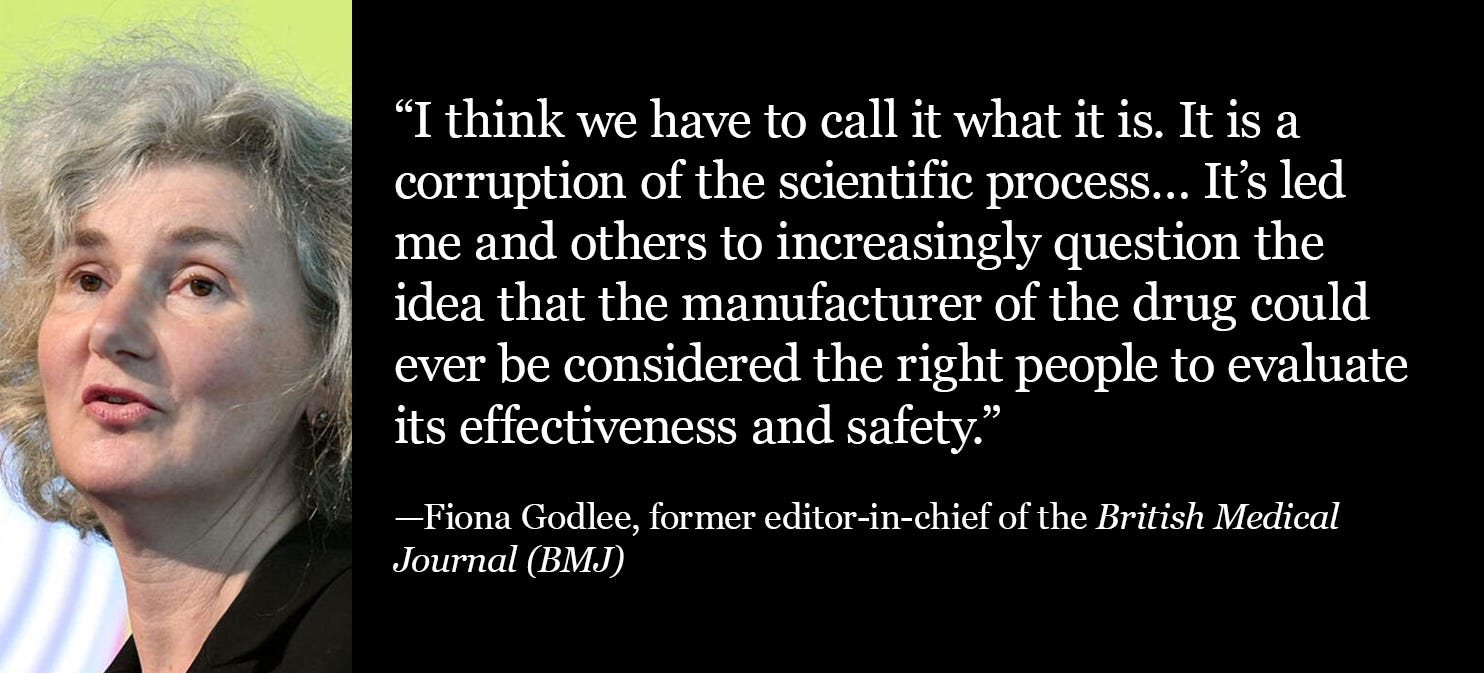
Fiona Godlee is a physician and former editor-in-chief of The BMJ, where she served from 2005 to 2021. She’s also a Fellow of the Royal College of Physicians and holds honorary positions at the Netherlands School for Primary Care Research and the University of Cambridge’s Institute of Public Health.
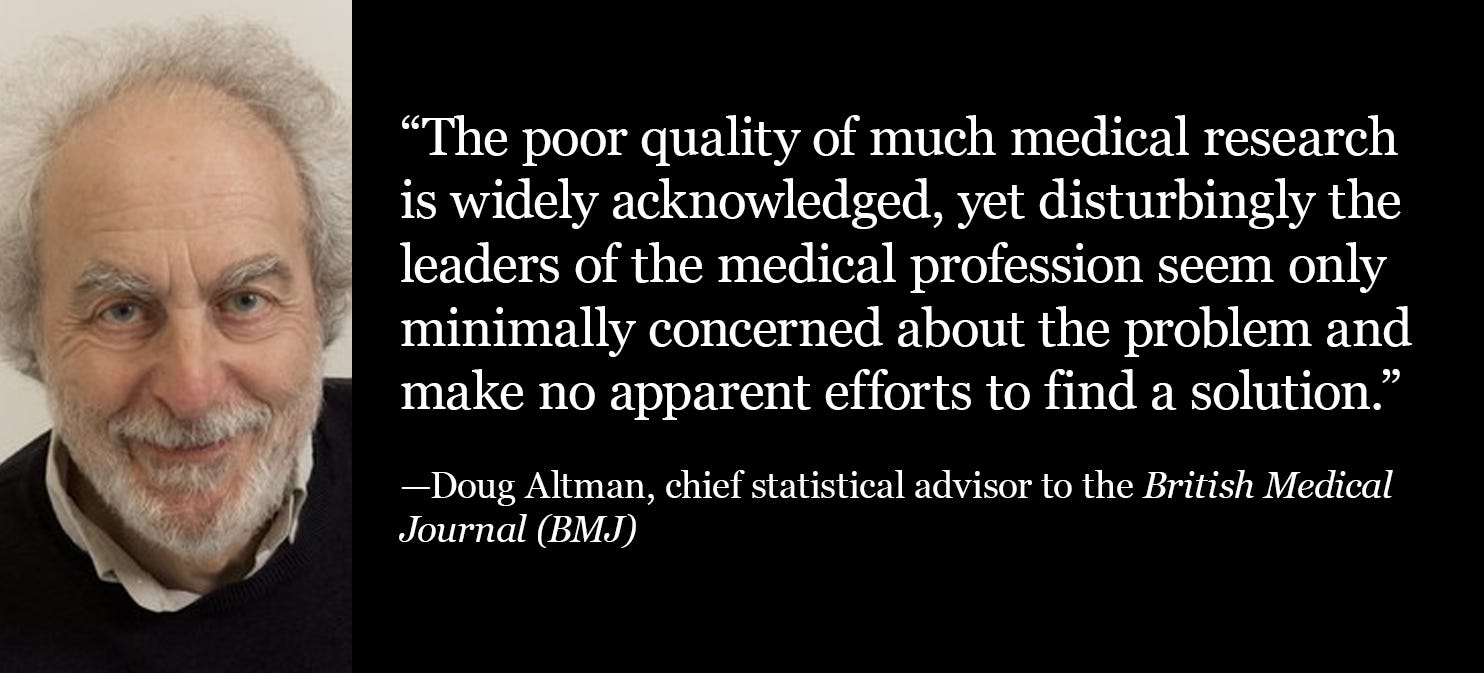
Doug Altman was a professor at the University of Oxford and founding director of the Centre for Statistics in Medicine. He was also chief statistical advisor to The BMJ, editor-in-chief of the journal Trials, and a Fellow of both the Academy of Medical Sciences and the Royal Statistical Society.
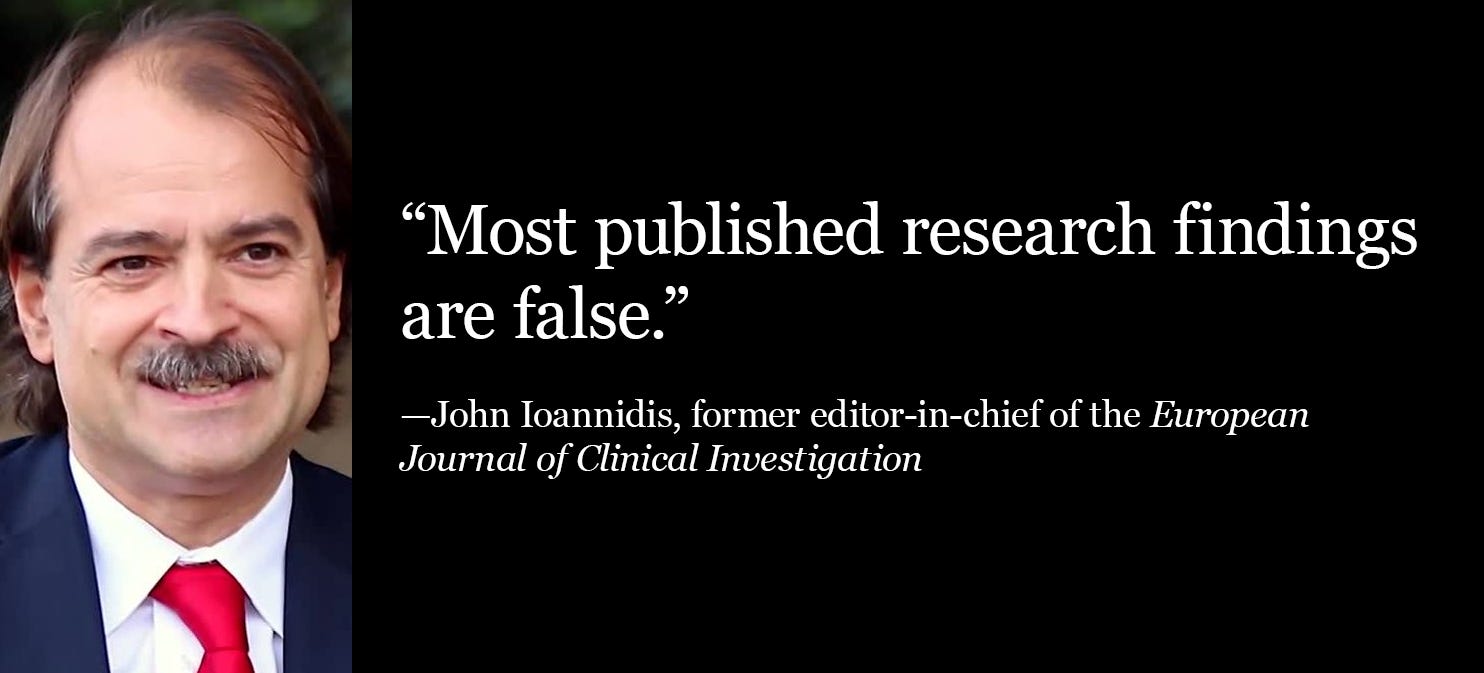
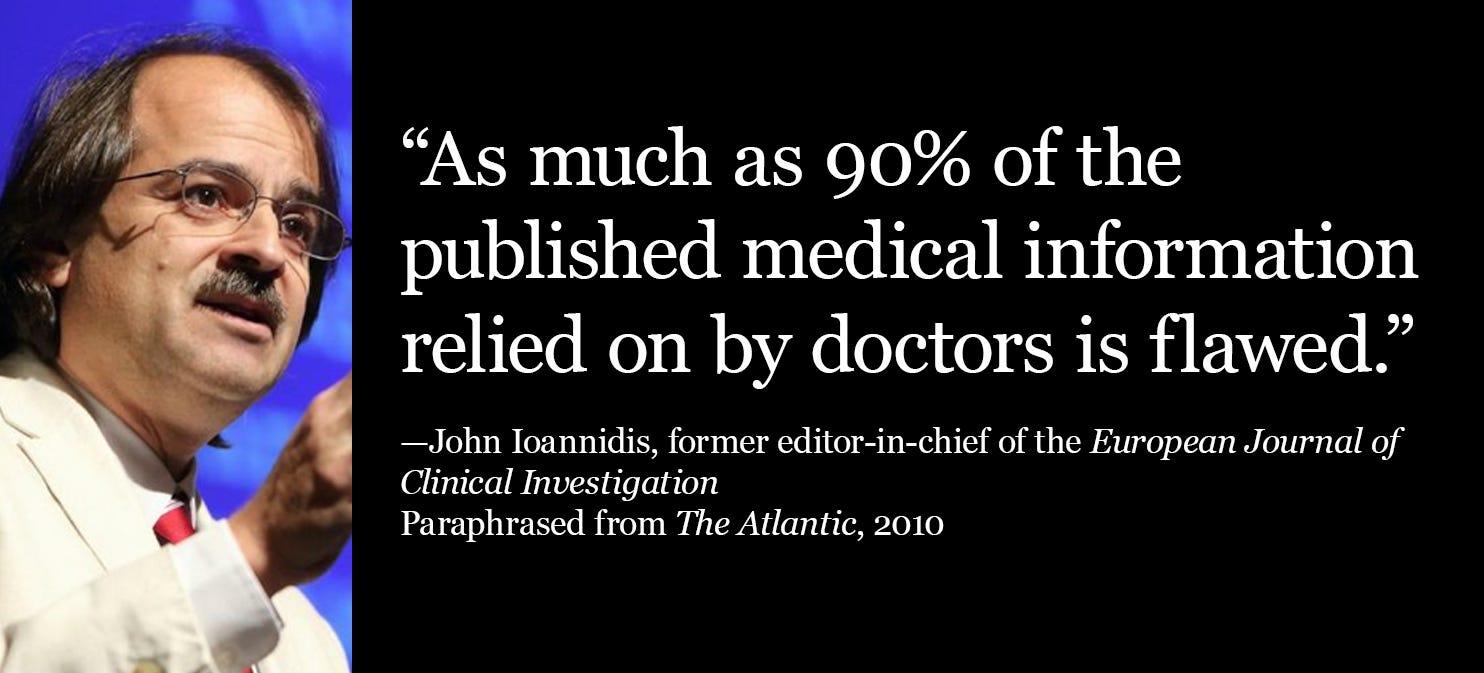
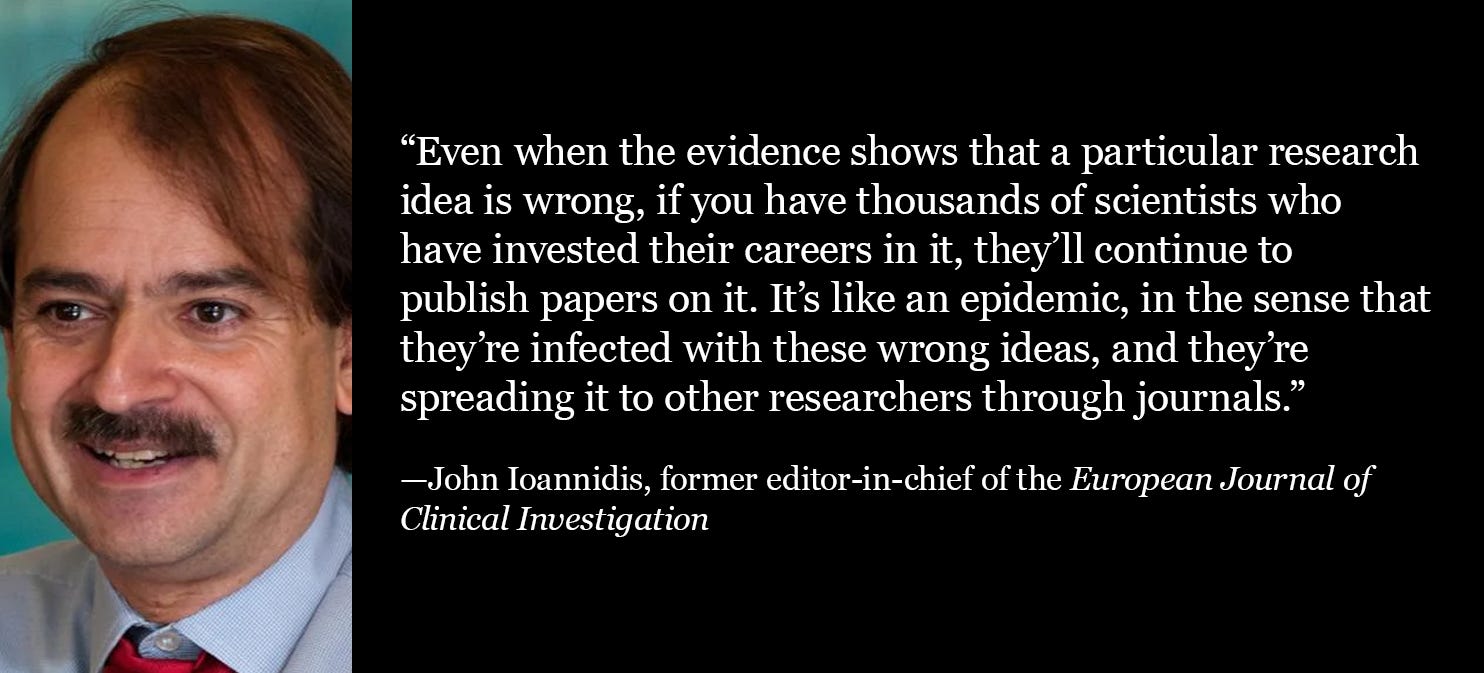
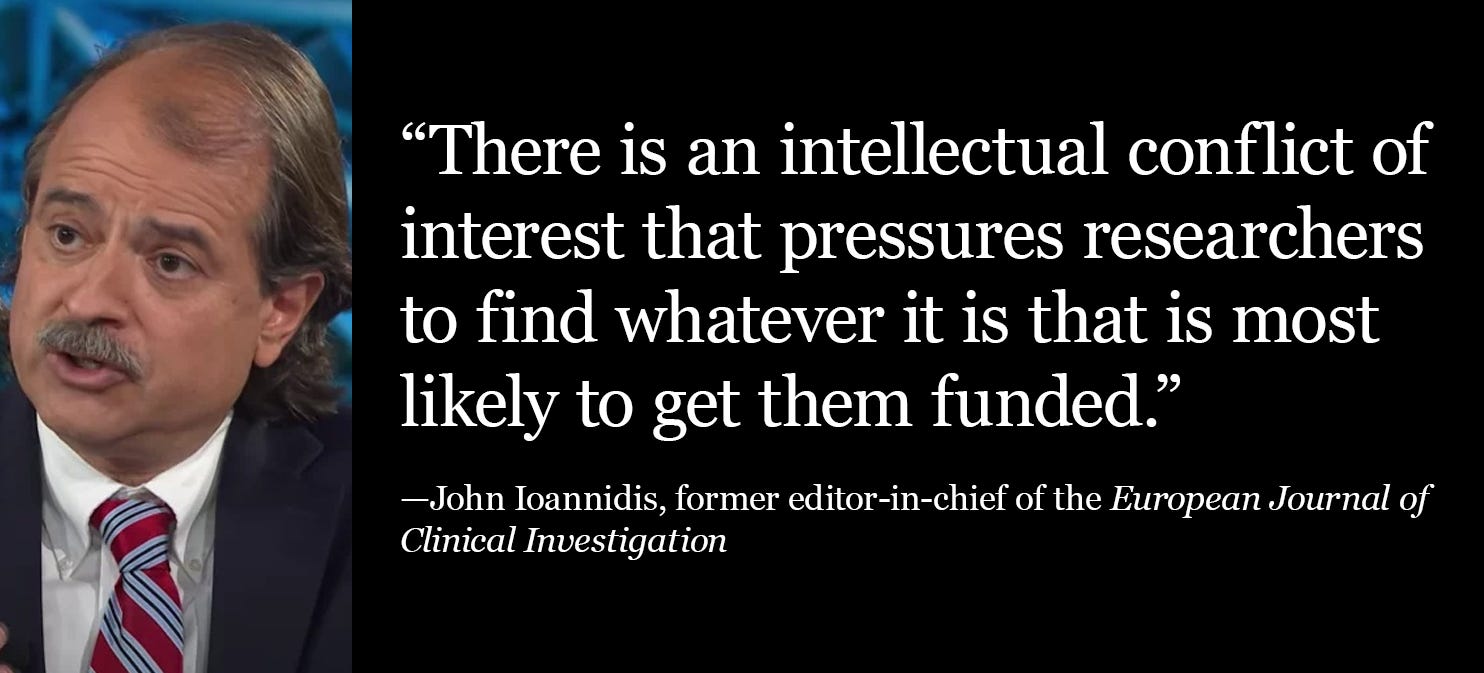
John Ioannidis is a physician and professor at Stanford University with appointments in Medicine, Epidemiology, and Statistics. He’s one of the world’s most cited researchers and has served on the editorial boards of more than twenty journals, including JAMA, The Lancet, and JNCI, and as editor-in-chief of the European Journal of Clinical Investigation.
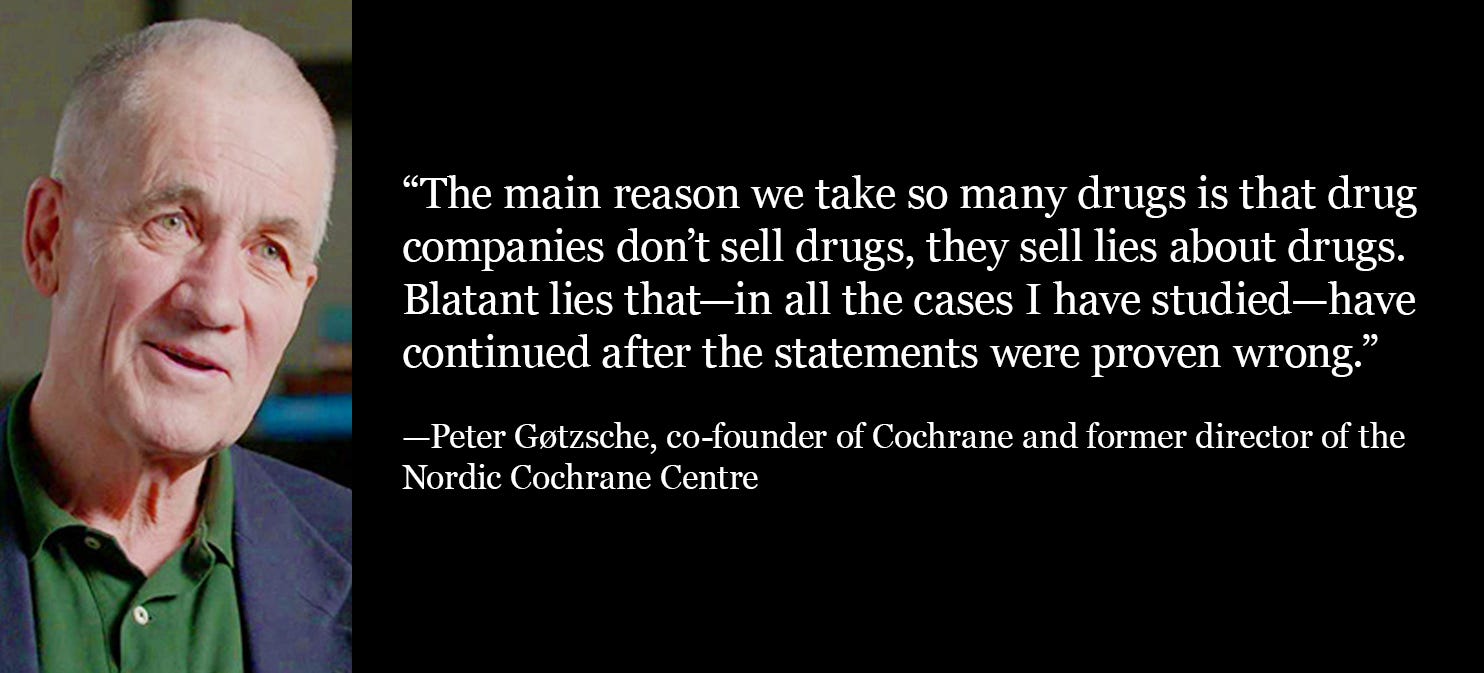
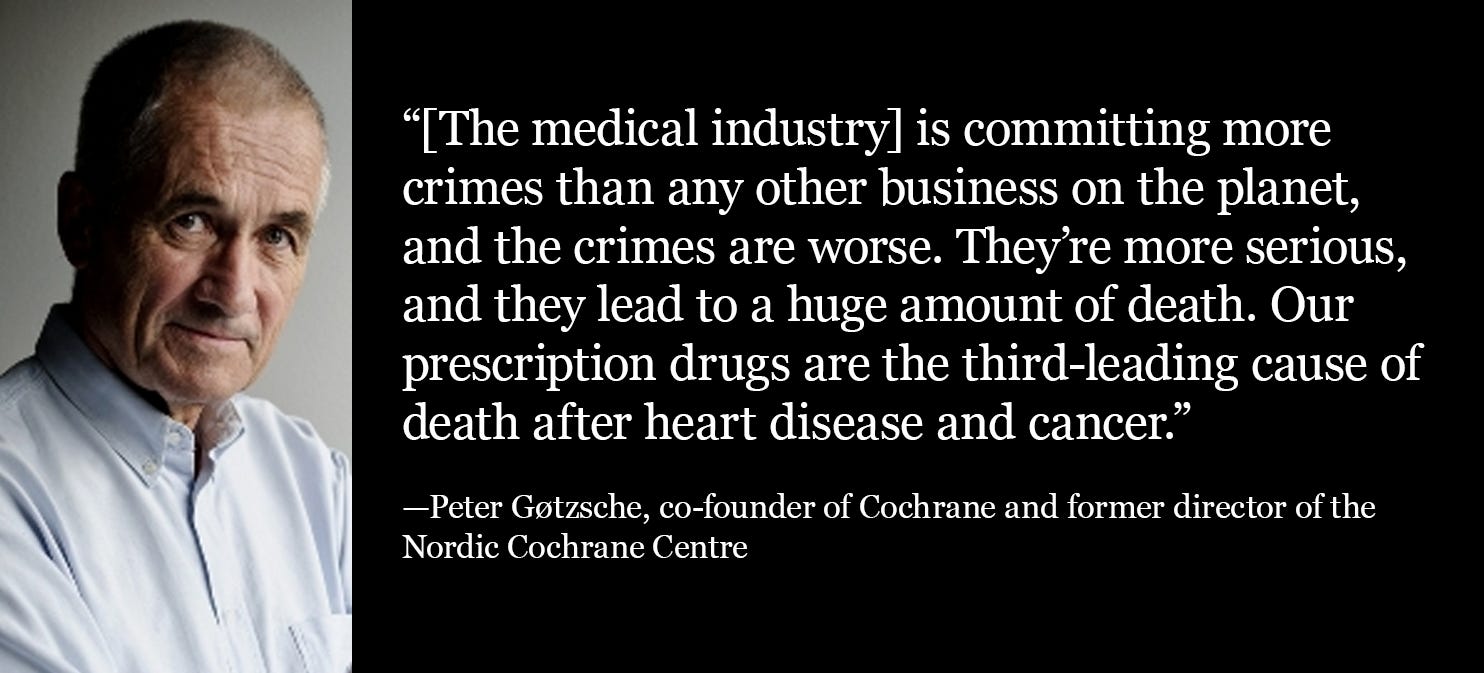
Peter Gøtzsche is a physician, co-founder of the Cochrane Collaboration, and former director of the Nordic Cochrane Centre, which he led from 1993 to 2018.
Conclusion
You shouldn’t need establishment voices to think critically. But if that’s what it takes to break someone out of their trance, so be it.
These insiders had little to gain and much to lose by making these admissions. It’s easy to defend a system that handsomely rewards you—much harder to publicly denounce the very machine you’ve spent your career supporting.
If you’re still holding to the idea that “science is self-correcting,” or that “peer review ensures quality,” or that “your doctor’s recommendations are grounded in solid science”—these quotes should force a serious reconsideration of those assumptions.
For those curious beyond mere appeals to authority—and who want to understand in more detail how so much of modern medicine is built on fraud and unreproducible junk—read the full breakdown.
This article is part of the Epistemic Capture of Medicine: The Definitive Crash Course series:


The Substack articles are deliberately provocative. The PDF edition takes the same material and presents it in a more formal, professional format—with the inflammatory phrasing removed and the research, sources, and evidence brought together in one cohesive volume.

Exclusive to paid subscribers, with access to all future revised and expanded editions.
Note: The PDF button may not work when opened in the Substack app or an email app. If so, please open this post in a web browser to access it.
I worked as an RN and as a Nurse Consultant at DoD and it was all fraud and scam. I left medical field and live in Spain off the grid. I have zero trust in Western Medicine. Only if it is Emergency but for problems I try alternative and natural remedies. So far, I got healthier, skinner, and happier.
My engagement with the medical system over the last 15 years has left me trusting nothing about it. Most mainstream doctors are brain dead, indoctrinated, and hopeless if you expect they will help you become healthy after having a medical issue. The testing is mostly irrelevant and highly skeptical, the procedures are risky and the drugs are all poisons (read the inserts)...gruesome at best.