
Measles Gaslighting: Then vs. Now
Making a mountain out of a molehill.

Before the introduction of the measles vaccine in 1963, measles was widely understood as a mild, unremarkable part of childhood. It was not treated as a medical emergency or a serious public threat. Children experienced a fever and rash, stayed home for a few days, and recovered.
Somewhere between then and now, the story radically changed.
Today, that same rash and fever is framed as a crisis, prompting an endless stream of alarmist media coverage, including emergency alerts, public scolding, and moral lectures about “anti-vaxxers endangering the community.”
But measles didn’t change—only how it was marketed to the public.
Simply put: measles isn’t a big deal, yet the media tries to gaslight us into believing it is. Why? To promote vaccines.
Measles in the 1950s–1970s
1950
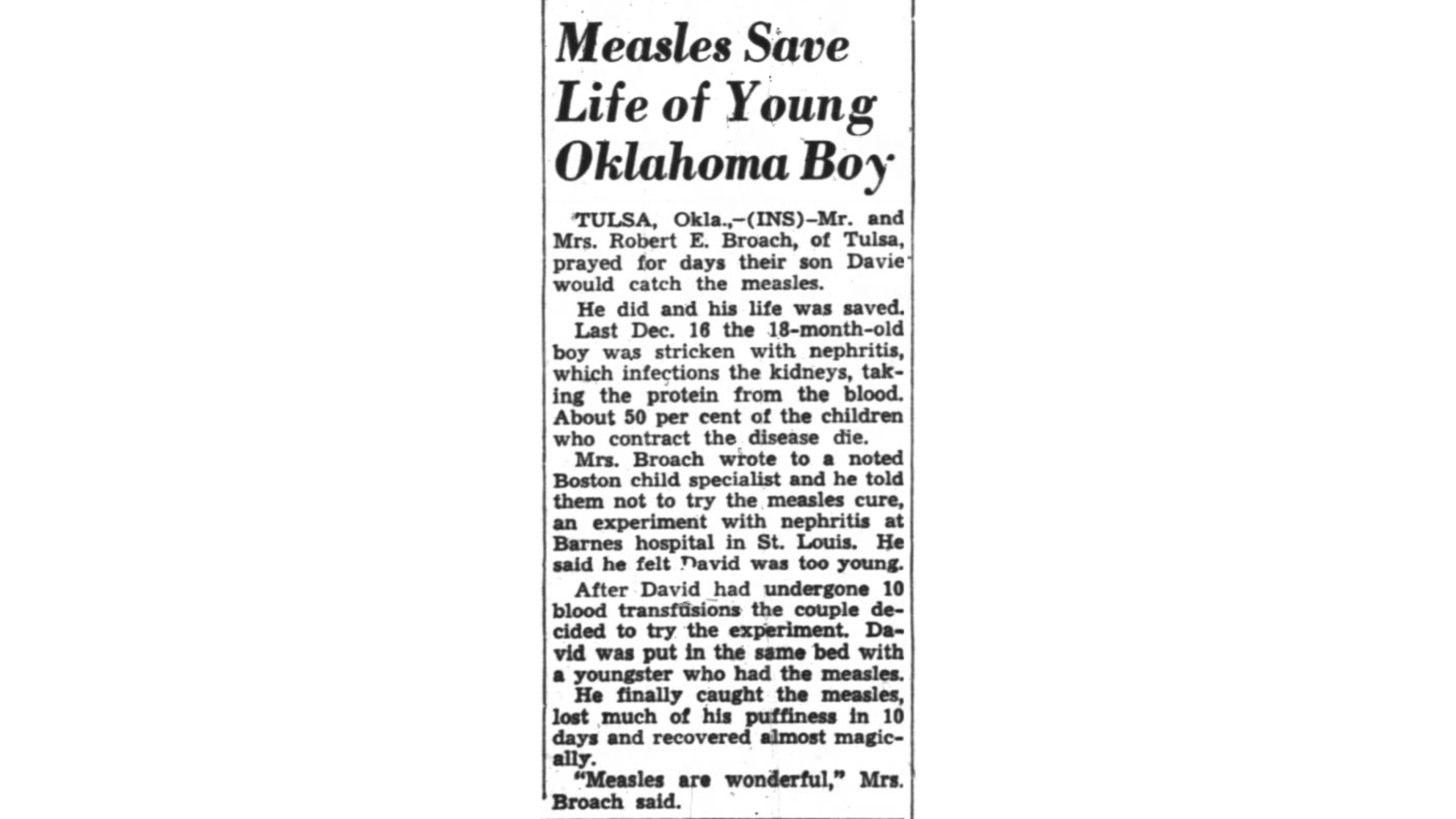
Measles is viewed as so mild—and even beneficial—that parents deliberately expose their child to it.
“‘Measles are wonderful,’ Mrs. Broach said.”
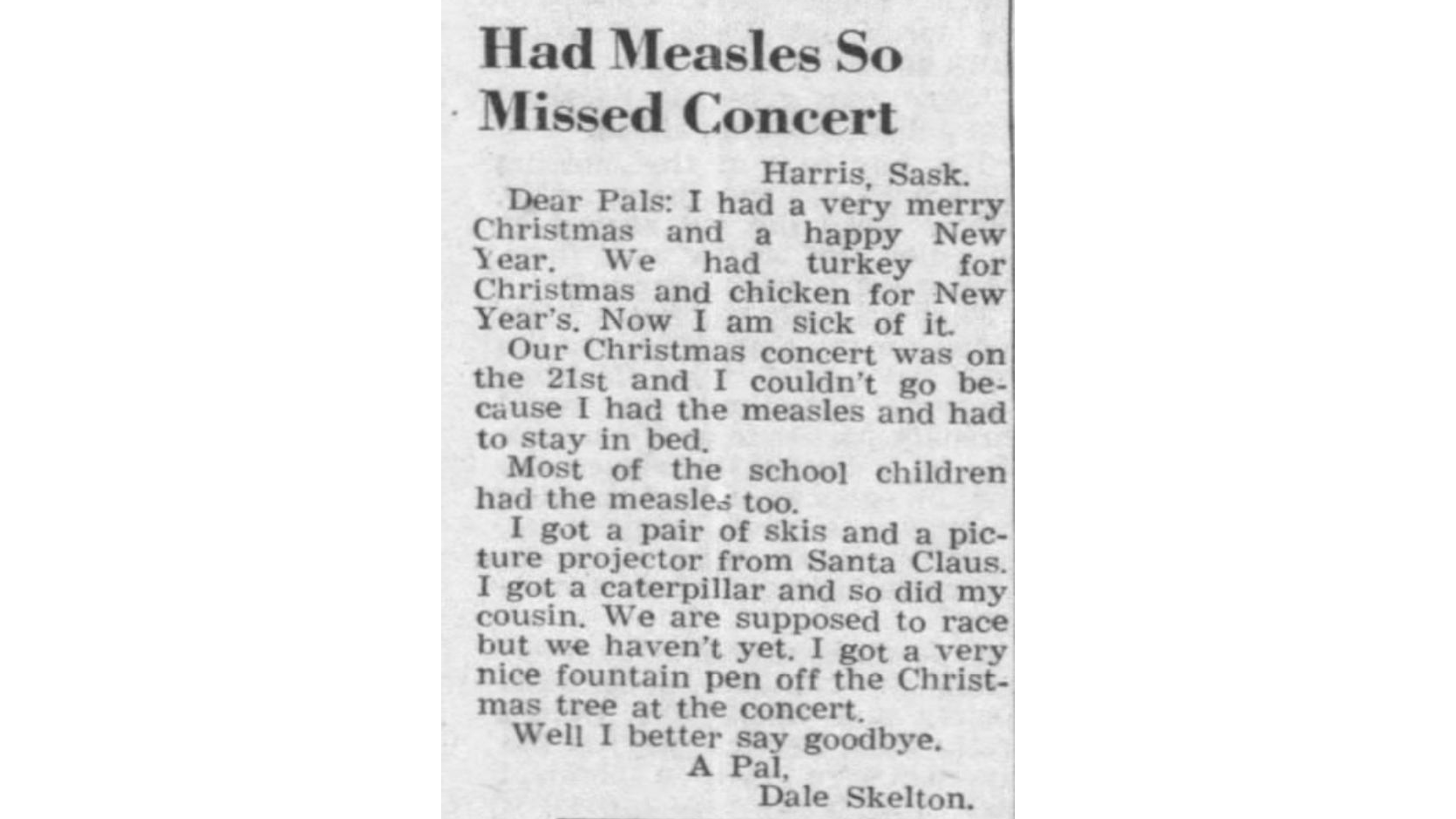
1950
A child writes a letter explaining they missed a Christmas concert because of measles, treating it as an inconvenience—not as a serious or frightening illness.
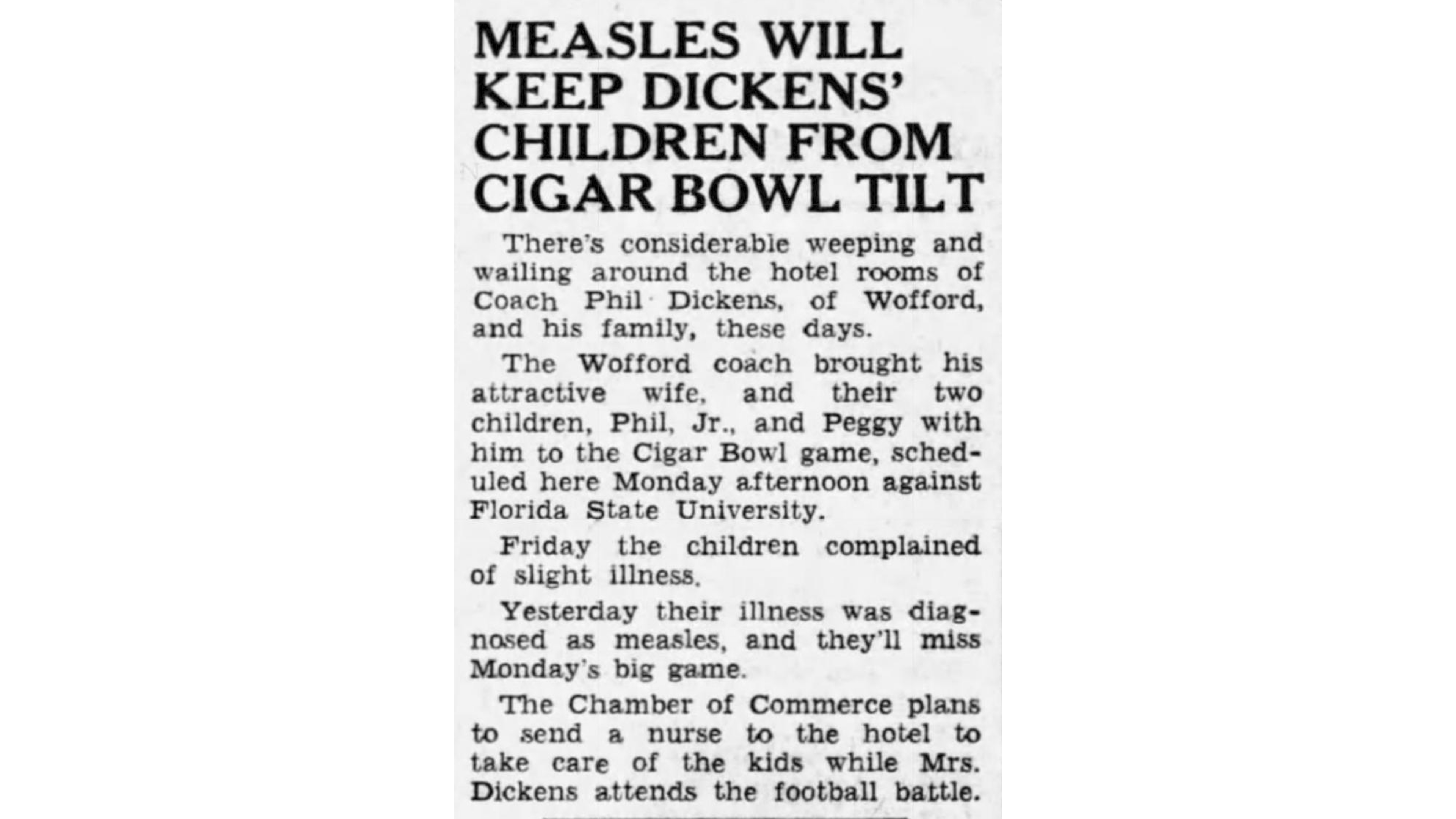
1950
Measles is framed as a mild inconvenience that keeps children from attending a football game, not as a serious health threat.
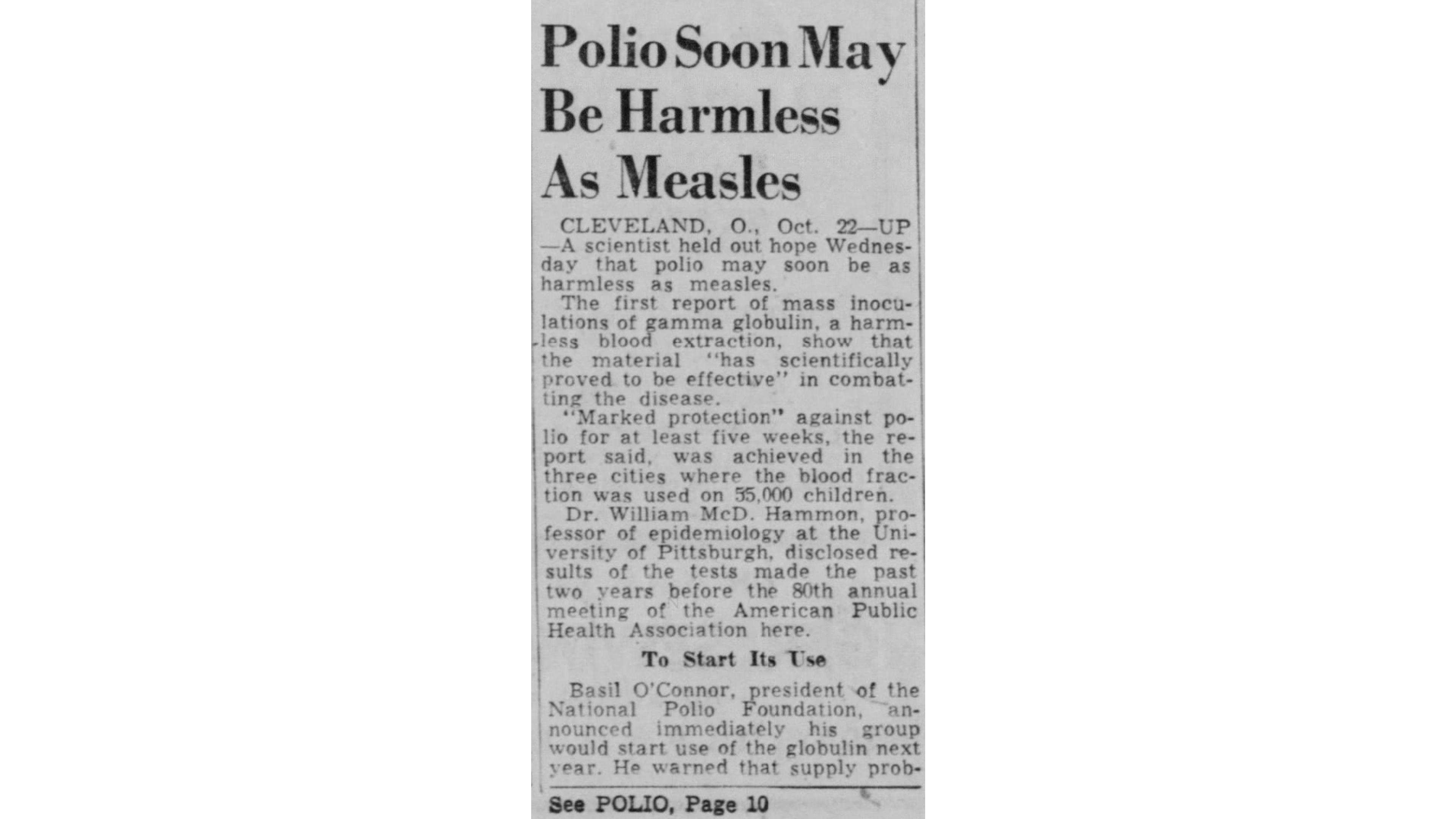
1952
Measles is treated as a benchmark of harmlessness. Polio is described in comparison, with scientists hoping it might become “as harmless as measles.”
1953
A family is thrilled to attend a “measles party,” revealing how unthreatening the illness is.
“We all whooped and hollered when she invited us to a measles party.”
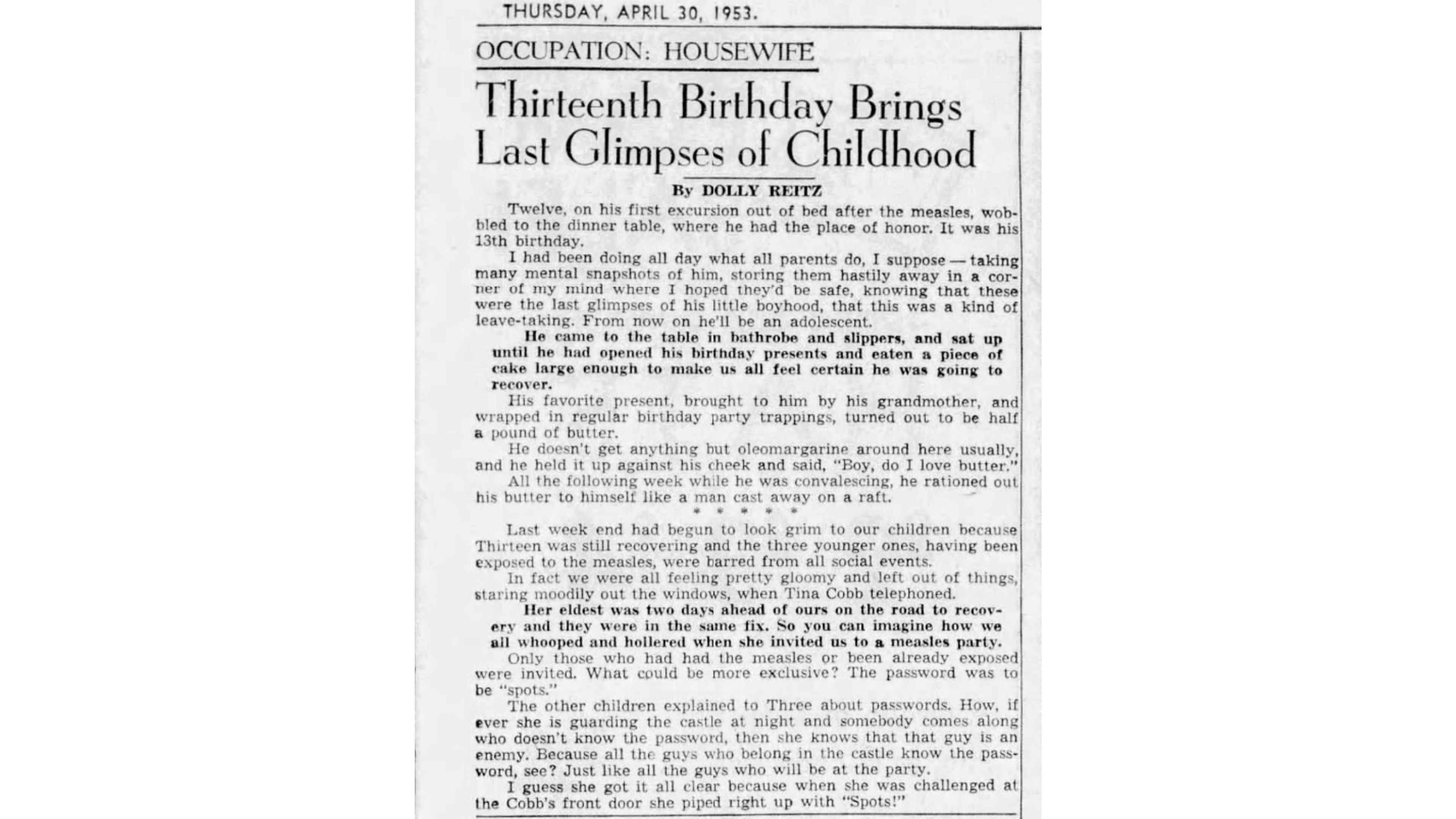
1954
Measles is explicitly grouped with the “usual diseases of youth,” framed as a normal and expected part of childhood.
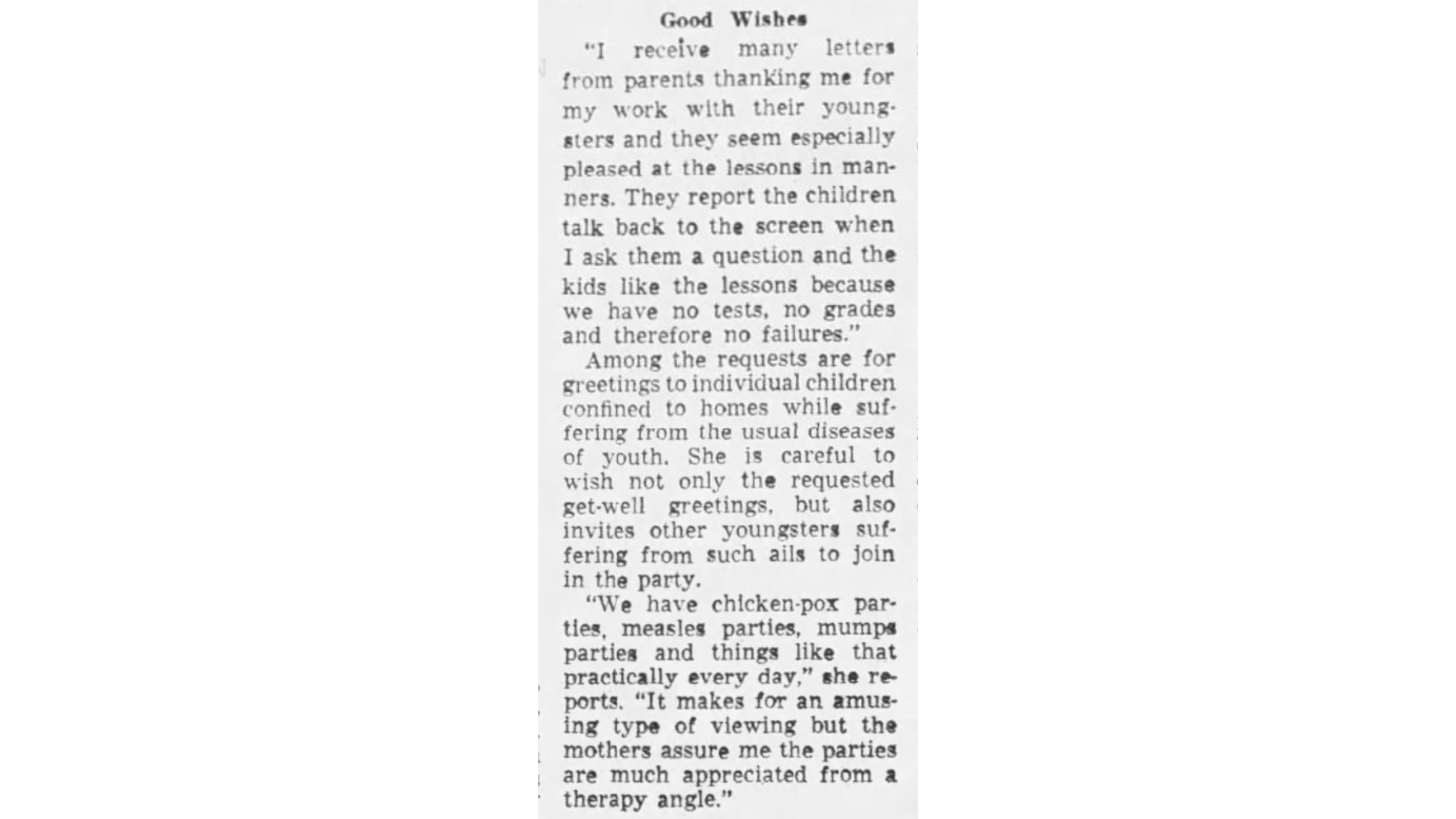
1954
Measles is mentioned casually in dialogue between two characters in the film Young at Heart, treated as a shared childhood experience and laughed about, not as a serious illness.
1956
A children’s Christmas song treats measles as a minor inconvenience that might complicate Santa’s visit, rather than something dangerous or frightening.
1957
A county health commissioner recommends hosting measles parties to “get it over with,” highlighting the illness as mild and manageable.
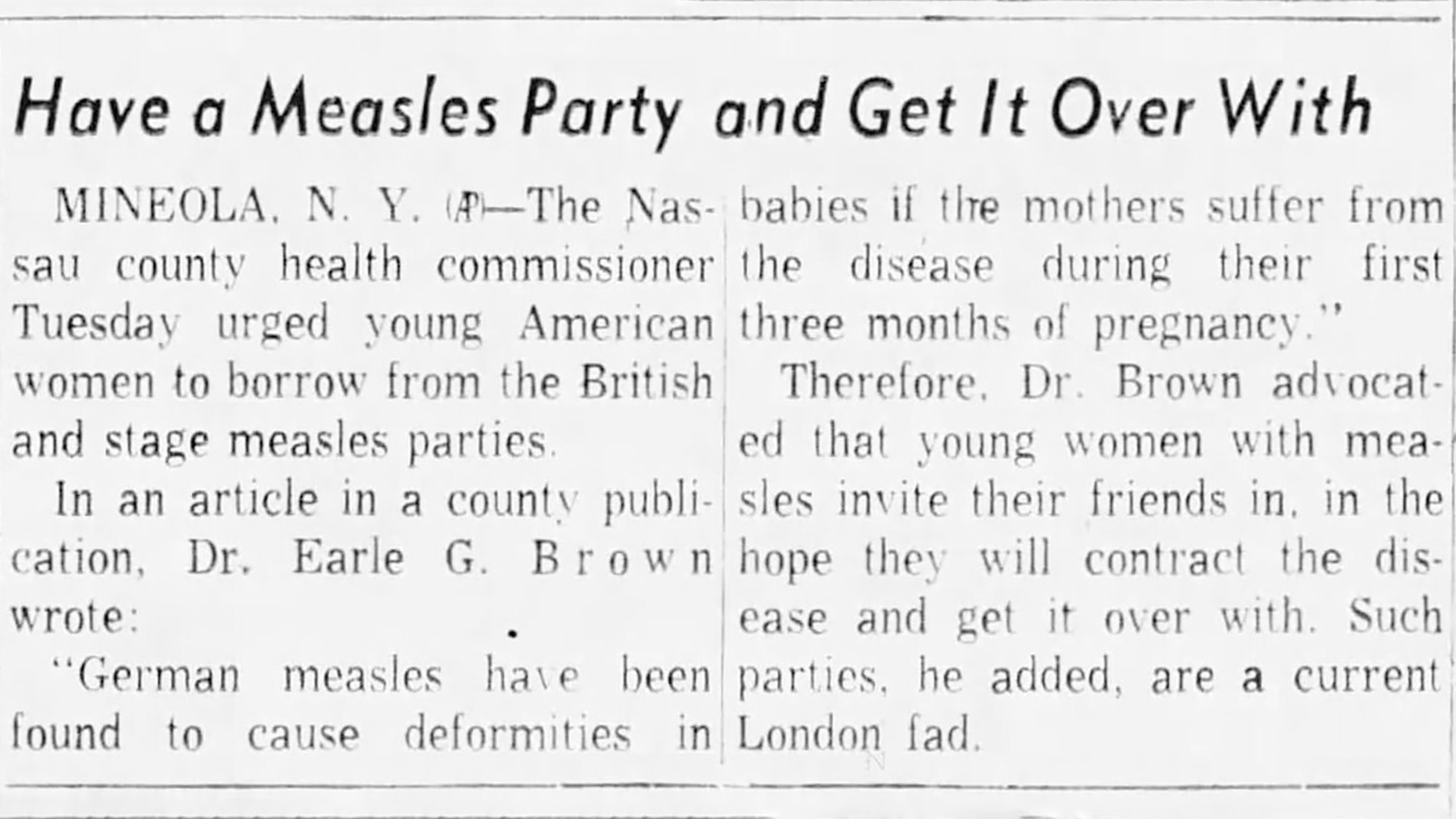
1958
A children’s book presents measles, mumps, and chickenpox as routine, mild inconveniences to take in stride, not fear.
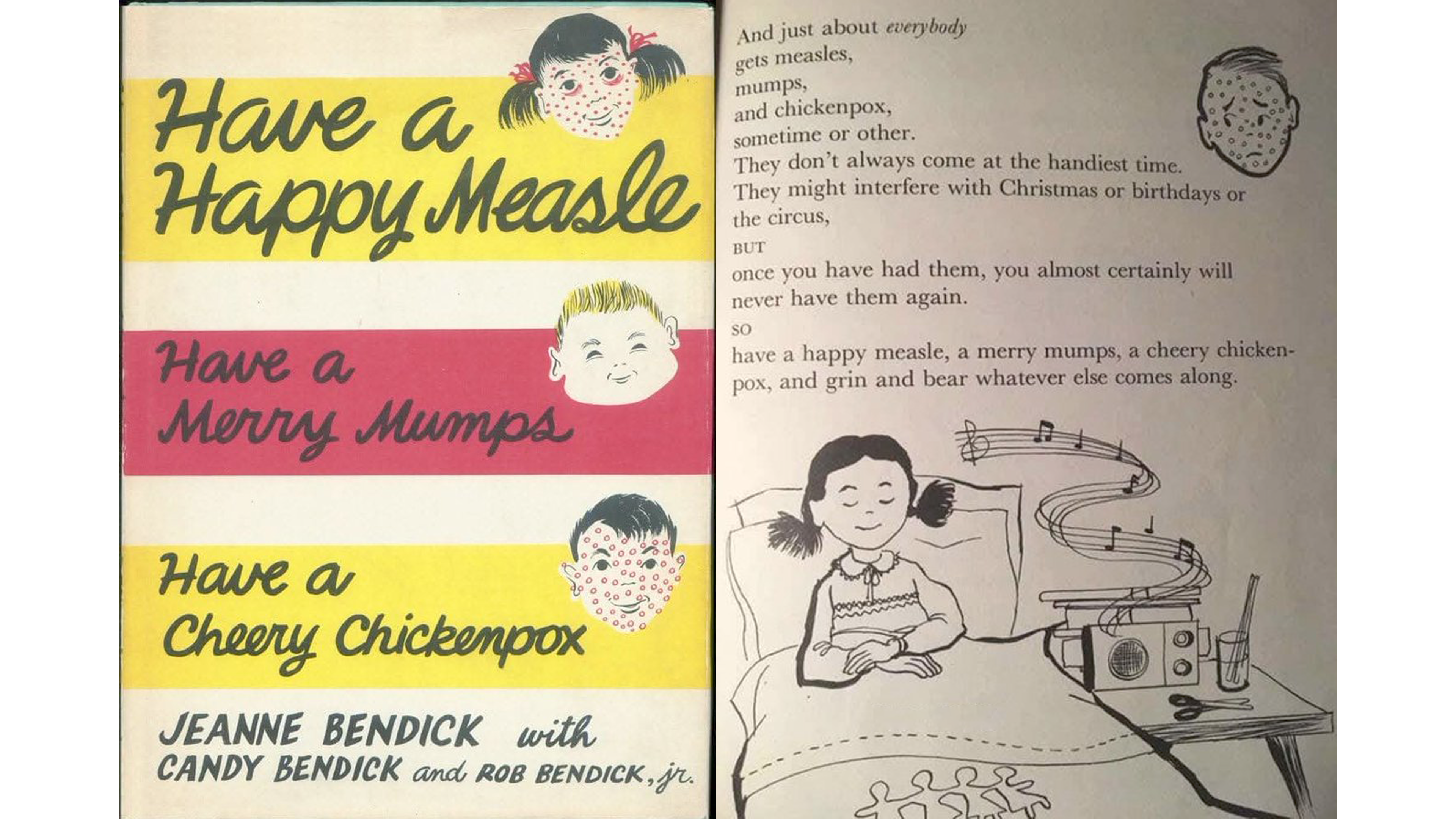
1958
The TV show Lassie presents measles as a common, non-threatening childhood illness, handled calmly by both doctor and family.
“Nothing to get alarmed about… Several children in Timmy’s class have come down with them too.”