
Hospitals Took Bribes to Kill You and Blame It on COVID
And they were given legal immunity to do it.

The medical system is the leading cause of death in the United States, killing well over half a million people every year. But the COVID-19 era that began in 2020 marked a distinct chapter in its history: COVID protocols in hospitals killed massive numbers of people on top of the medical system’s usual death toll. Another half a million Americans were likely killed this way.
To be clear, the COVID protocols discussed here are separate from the COVID vaccine that became widely available in 2021. I am referring to the treatment protocols—the testing, the drugs, and the mechanical ventilation of people’s lungs—that defined the 2020 hospital experience.
This article examines the financial incentives the medical system had to kill patients and blame those deaths on “COVID.” What follows is an analysis of the money, the hospital protocols, and the death toll—regardless of one’s view on COVID itself.
Hospitals awarded $100,000+ for killing you
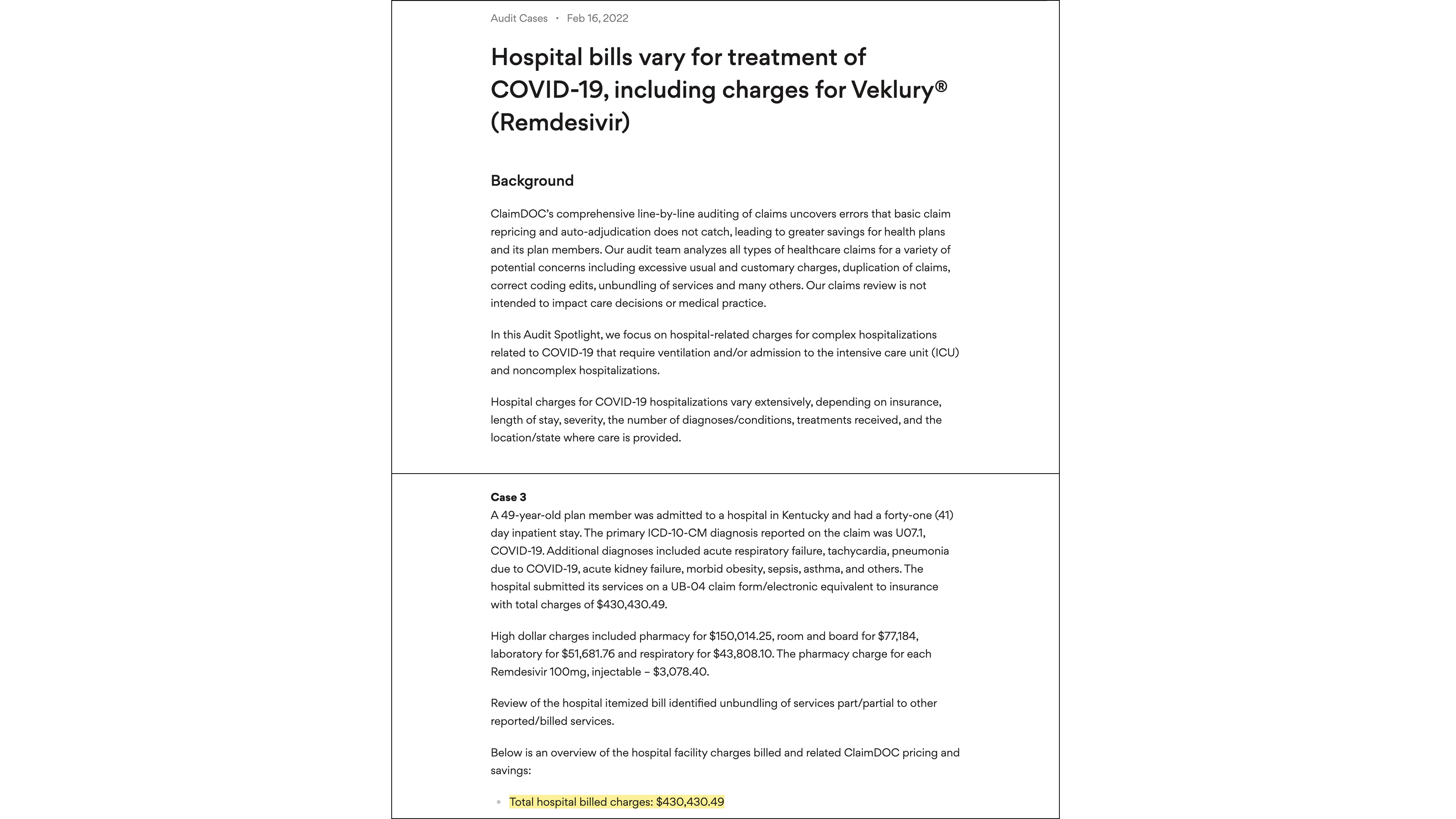
When a person with flu-like symptoms was advised to go home, rest, and hydrate, reimbursement was limited to a minimal consultation fee. But if that same person was admitted under a COVID diagnosis, administered remdesivir, and placed on a ventilator, the hospital could charge well over $100,000—and sometimes more than $400,000.
The COVID hospital protocols functioned as a highly lucrative federal payment pipeline, where the treatments that generated the most revenue were the ones most likely to kill you.
I. Testing (up to $1,419 per COVID test)
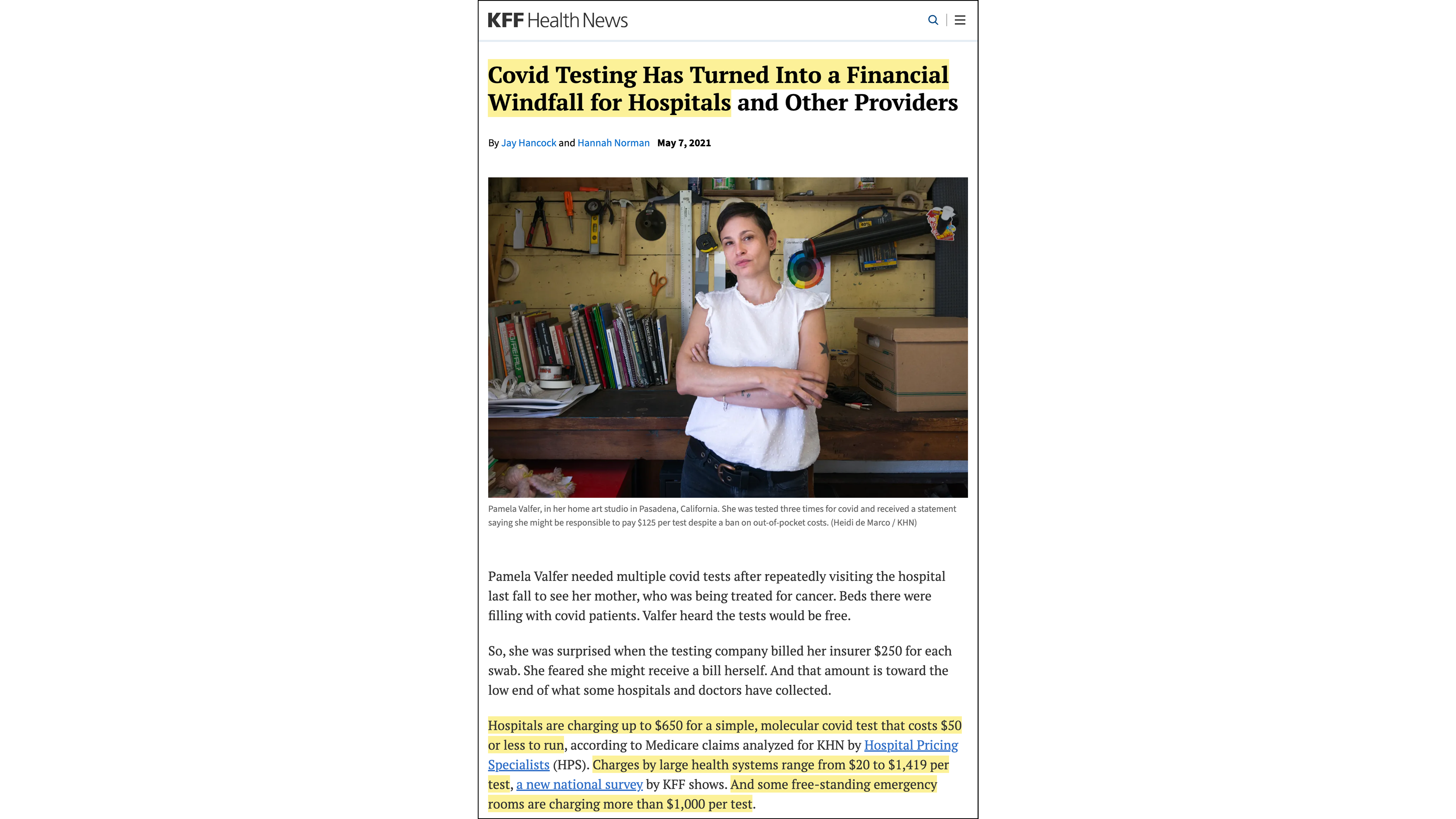
A positive COVID test result was the triggering event that unlocked the federal COVID payment pipeline—allowing hospitals to transition patients into an extremely lucrative clinical pathway. While Medicare paid hospitals at lower rates for tests, the private market was effectively a free-for-all. Under the CARES Act, providers would post a cash price for testing, which insurers were required to pay for out-of-network claims. Labs charged as much as $1,419 per test, and hospitals repeatedly tested patients to create a recurring revenue stream. By treating testing as both a standalone profit center and the necessary key to unlock subsequent, high-value inpatient billing codes, hospitals used COVID testing as a key driver of revenue.
II. Admission (20% premium for COVID diagnosis)
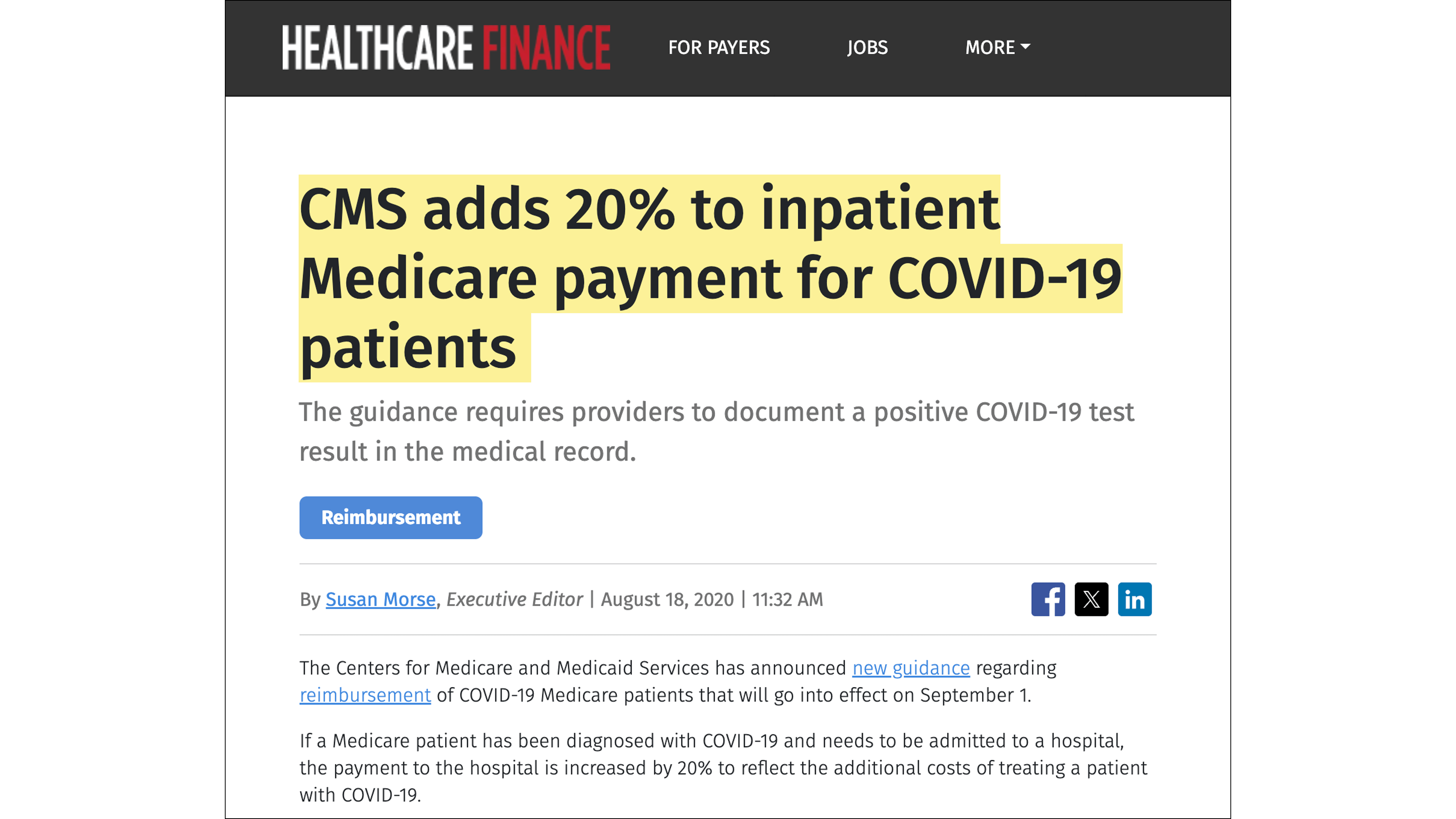
A positive test result funneled patients into the hospital under ICD-10 code U07.1—the universal designation for COVID. The federal government paid a 20% premium on top of the standard Medicare payment for COVID-related hospital stays. Because this premium was tied exclusively to the COVID diagnosis, hospitals had a huge incentive to prioritize the COVID designation over other conditions and pursue repeat testing until a positive result was achieved.
III. Remdesivir (65% premium for wrecking your kidneys and liver)
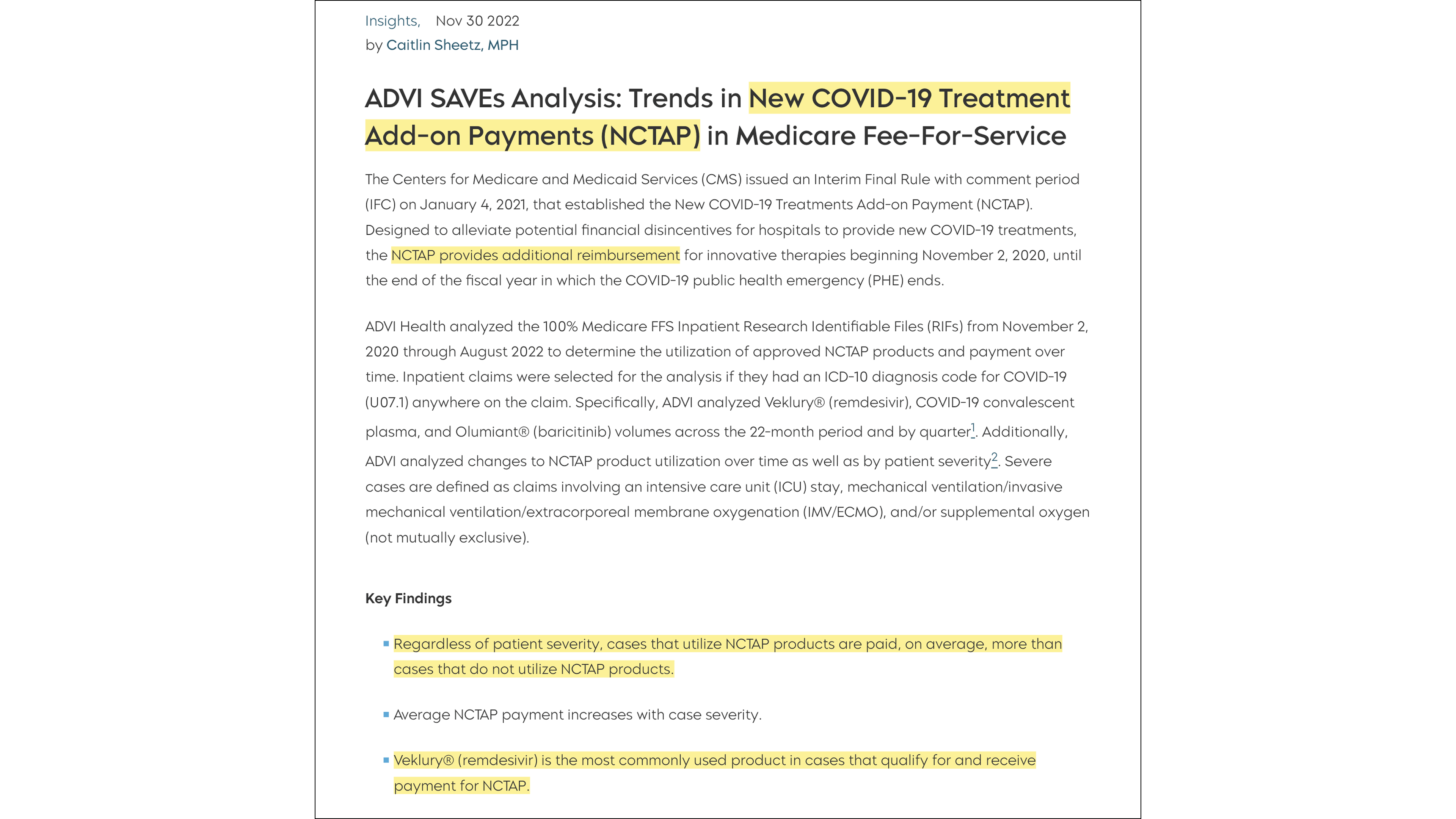
Hospital protocols prioritized the administration of remdesivir, a highly toxic drug costing $3,200 per treatment course. CMS incentivized this choice through the New COVID-19 Treatments Add-On Payment (NCTAP), which provided hospitals another massive bonus payment—calculated as 65% of the costs exceeding the standard billing rate.
Remdesivir—dubbed “Run, Death Is Near” by the doctors and nurses who watched patients deteriorate after receiving it—is a highly toxic drug that causes organ failure. It was a failed Ebola drug that was rebranded as a treatment for COVID, despite the fact that it was associated with a staggering 53% mortality rate in its original Ebola trial.
In a randomized, double-blind, placebo-controlled trial of remdesivir published in The Lancet, patients received either remdesivir or a saline placebo. Remdesivir is so toxic that patients in the remdesivir group were forced to stop treatment early due to adverse events at 2.4 times the rate of those receiving the saline placebo.
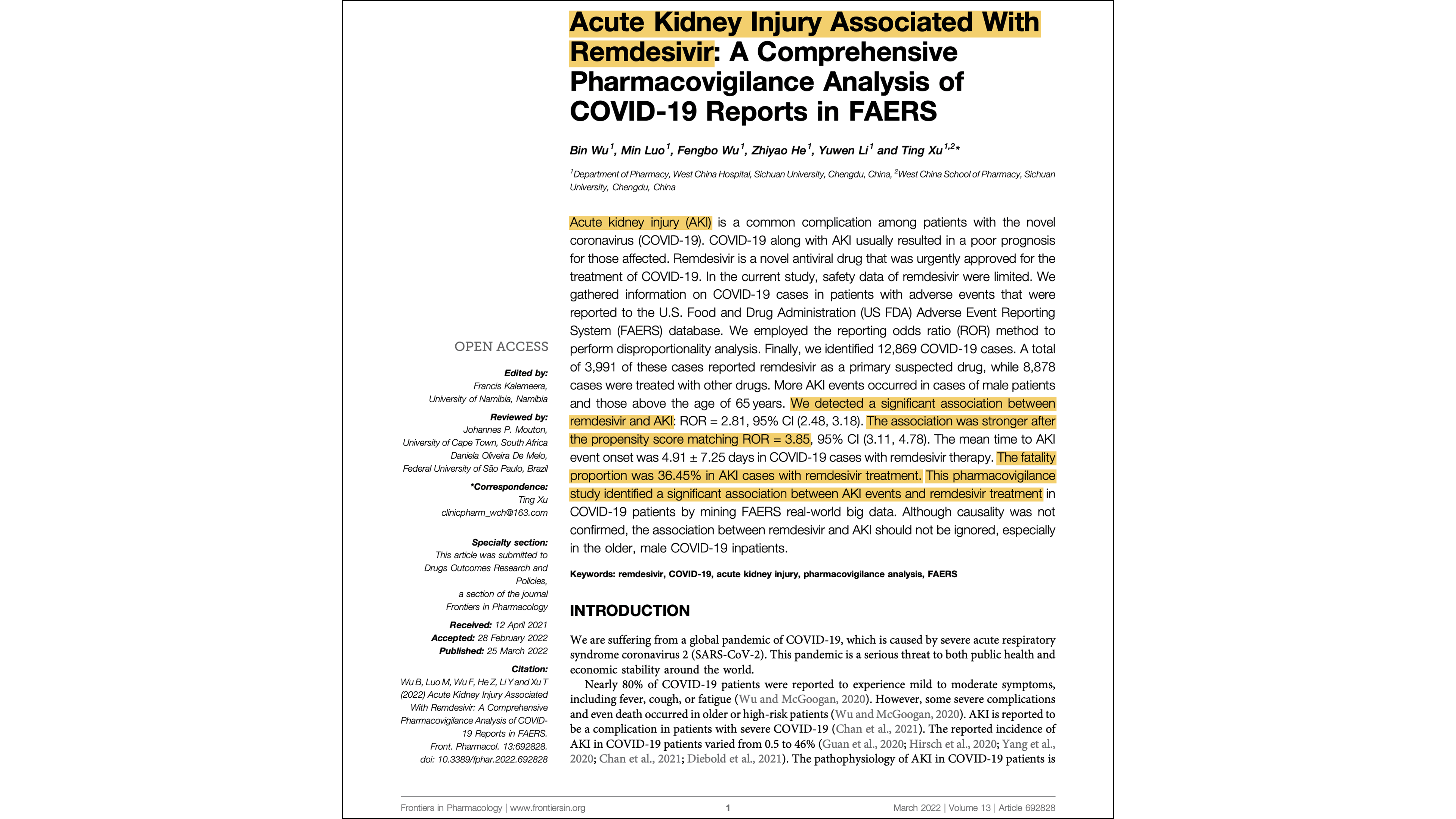
The drug’s toxicity is not a secret. It’s documented in the FDA’s own prescribing information, which mandates monitoring for liver damage because the drug is known to lead to liver failure. And it’s not just the liver. In a study published in Frontiers in Pharmacology, patients receiving remdesivir were nearly four times more likely to suffer acute kidney injury than those receiving other treatments. And once the kidneys failed, the fatality rate for those patients was over 36%.
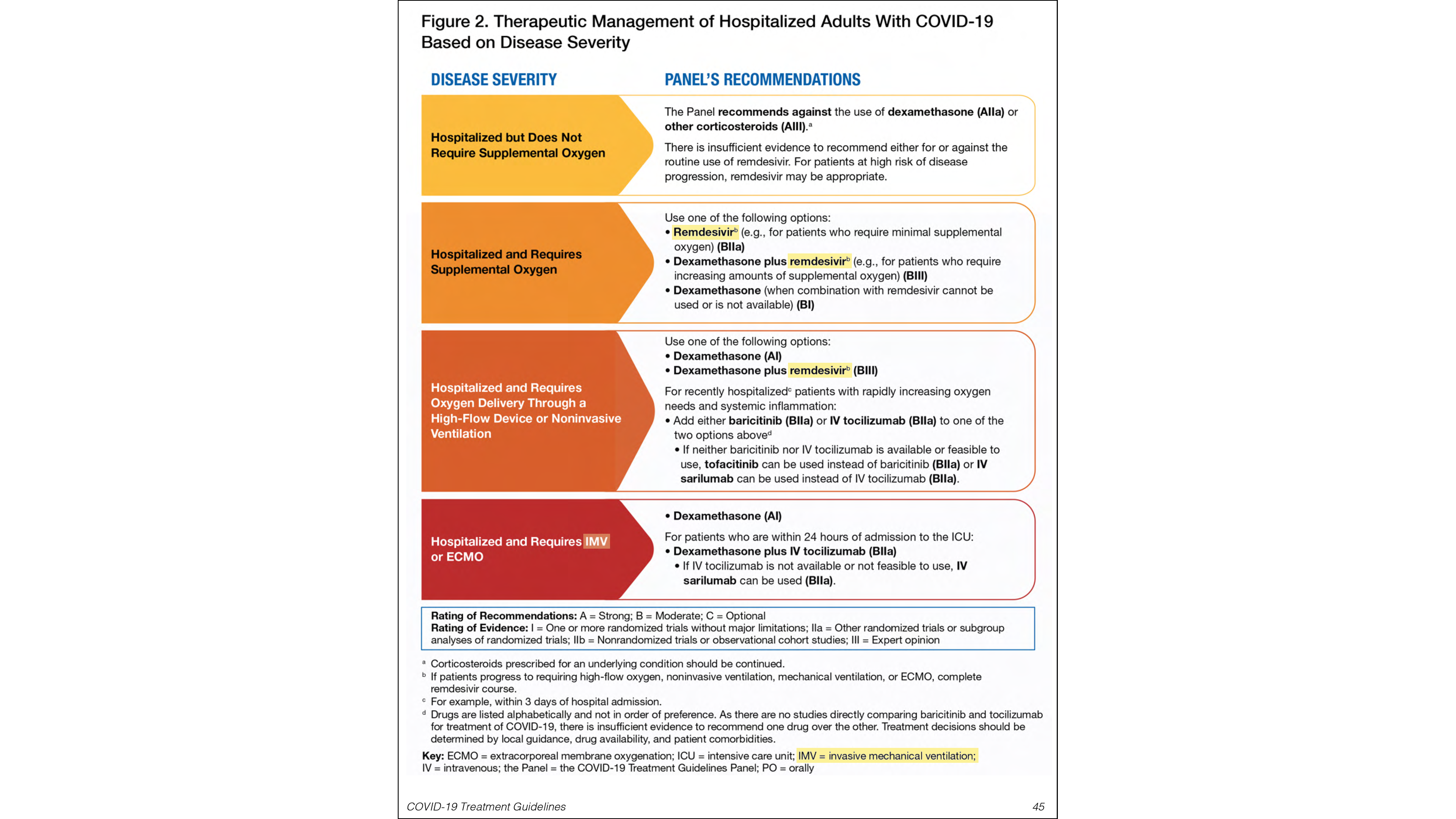
The World Health Organization found that remdesivir provided no survival benefit and recommended against its use—yet American hospitals continued administering it for years.
IV. Mechanical ventilation ($50,000+ for destroying your lungs)
After wrecking a patient’s kidneys and liver with remdesivir, the next stage of the COVID protocol was the most lucrative and deadly of all: mechanical ventilation.
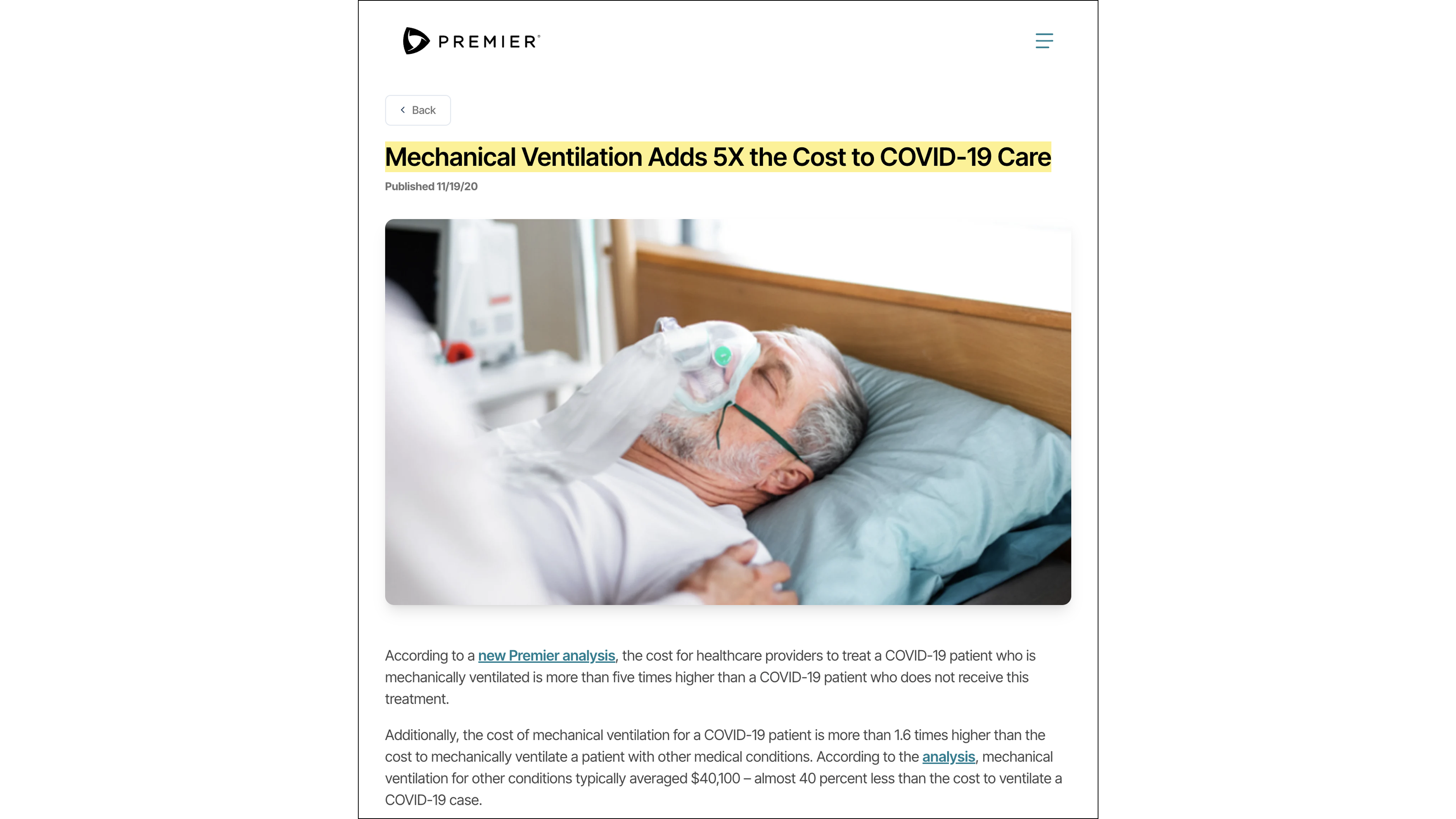
The average cost to treat a non-ventilated COVID patient was $12,700, but by placing the patient on a ventilator, the average cost skyrocketed to over $65,500.
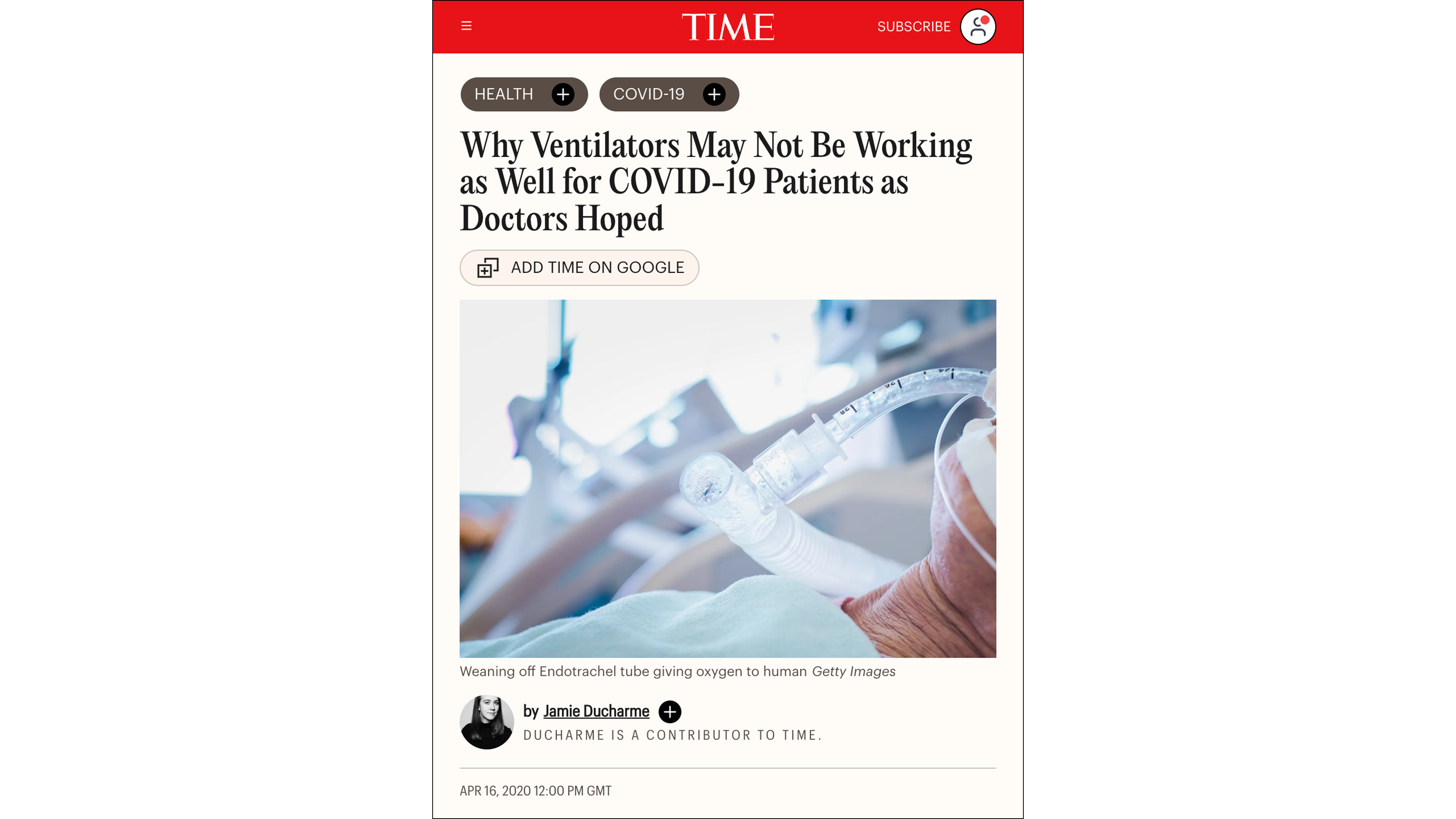
Mechanical ventilation was a death sentence. Despite the well-known risks of ventilator-induced lung injury, hospitals ignored decades of best practices—which favored non-invasive oxygen support—and pivoted to early, aggressive intubation. Patients were sedated, paralyzed, and kept in a chemically induced coma while ventilators forced high-pressure air into their lungs.
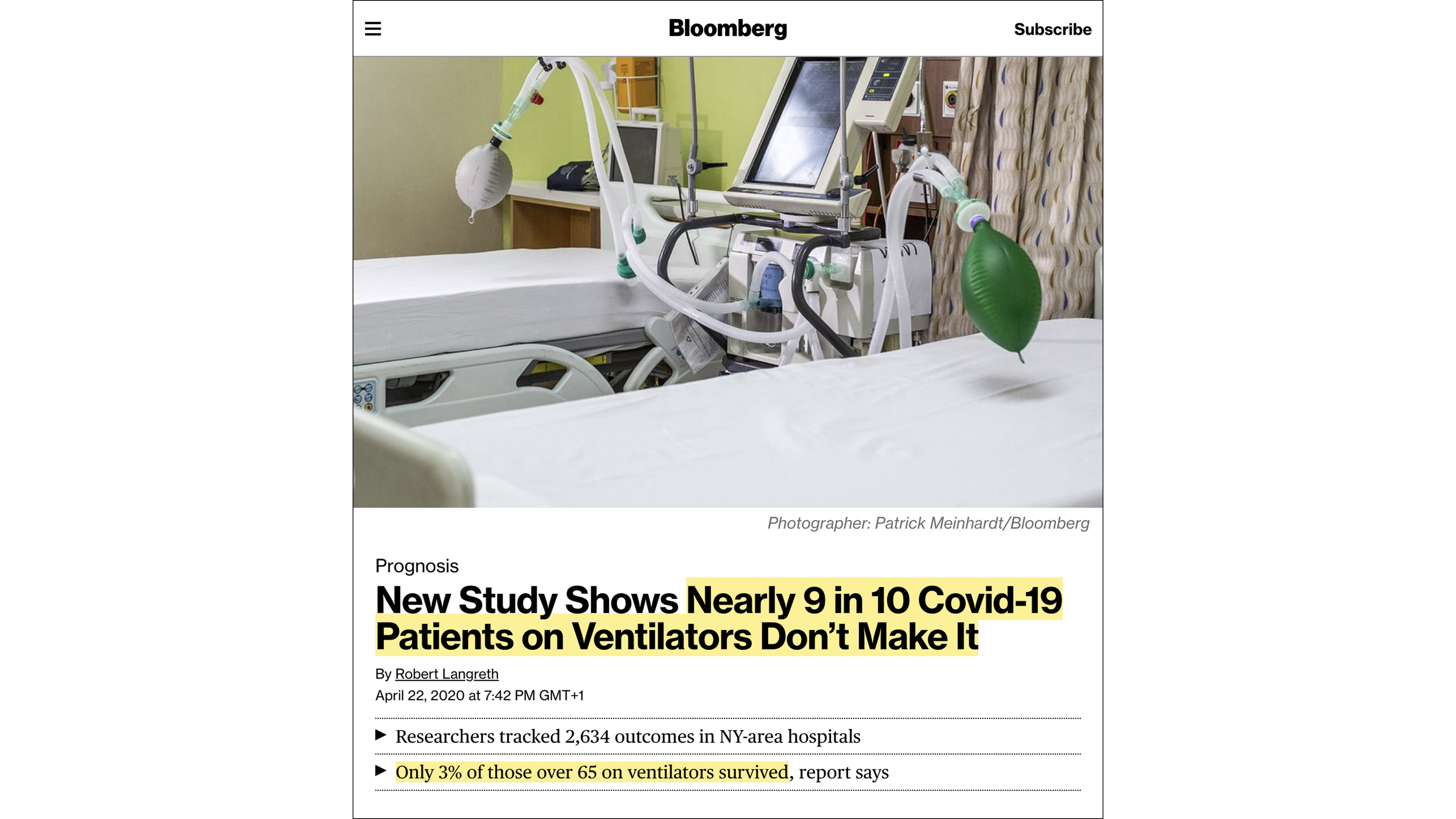
The results were catastrophic. In many hospitals, the death rate for patients placed on ventilators was above 80%. In New York, the death rate for people over the age of 65 was 97%.
V. Death ($100,000+ altogether for killing you)
After wrecking your kidneys and liver with remdesivir, then finishing you off with a ventilator, the hospital could collect well over six figures for killing you—and in some cases hospitals charged more than $400,000. But the death certificate said “COVID.”
This is another example of how the medical system launders the deaths it causes—with misleading ICD codes and death certificates that erase the hospital’s culpability. It was a self-reinforcing feedback loop: hospital-caused deaths inflated the official COVID death count, which was then used to justify the very protocols that caused those deaths.
The financial incentives didn’t require the people working at hospitals to consciously think “let’s kill this patient for more money”—but they handsomely rewarded the sequence of interventions most likely to kill you. The protocol that maximized reimbursement was also the protocol that maximized mortality.
At least half a million killed
About a half million people in the United States were killed by COVID treatment protocols in hospitals—but similar protocols were adopted around the world, making the global death toll much higher.
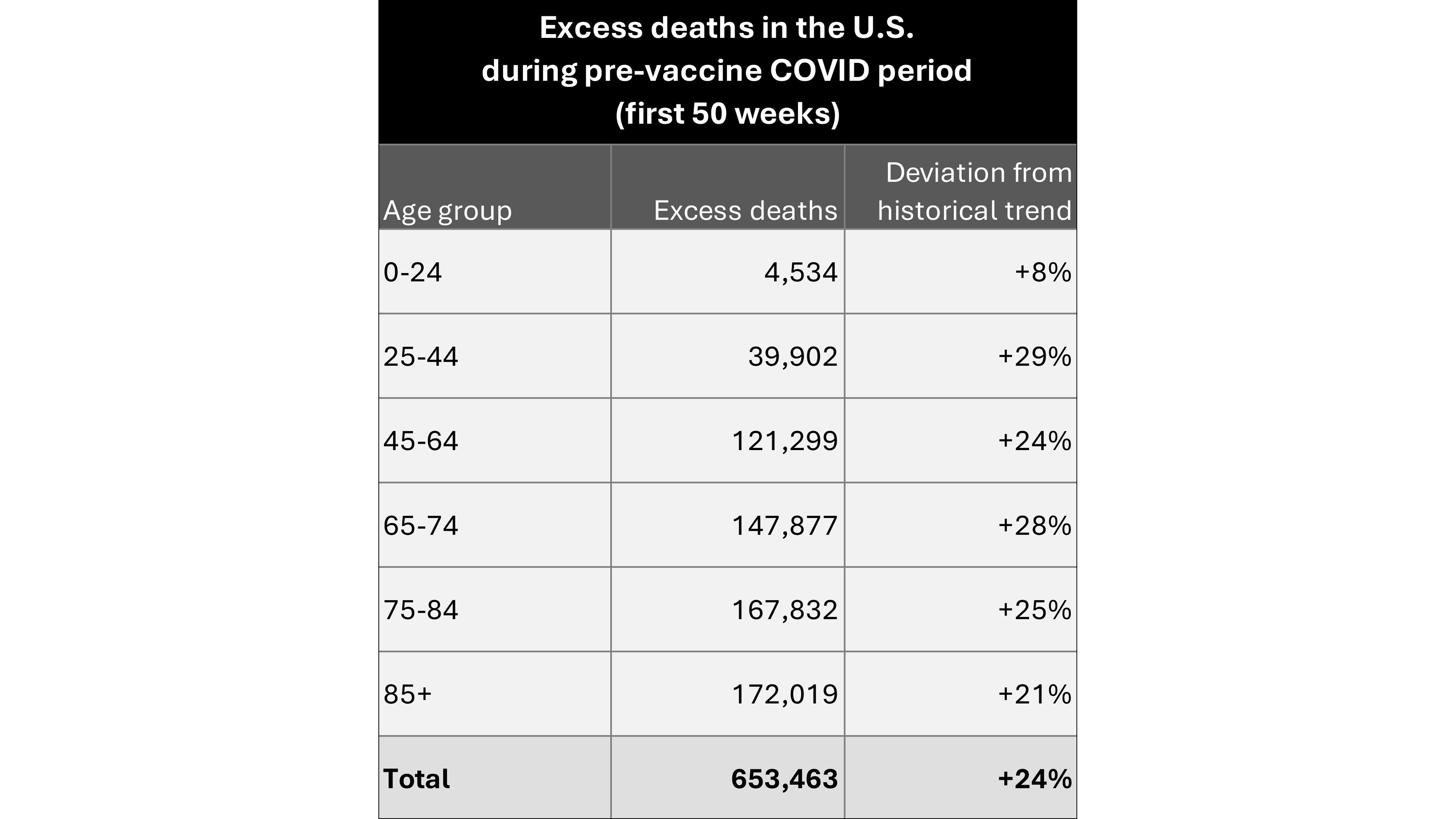
According to an analysis of all-cause mortality data by Denis Rancourt and colleagues, there were 653,463 excess deaths in the United States during the first 50 weeks of the COVID period, before the COVID vaccine was widely available. This figure represents deaths above the pre-COVID baseline during the period when COVID hospital protocols—including remdesivir and mechanical ventilation—were in effect. While Rancourt attributes these excess deaths to the broader government and medical response, the hospital protocols were the most direct means by which many of these deaths occurred.
The spike in excess deaths during the pre-vaccine COVID period was synchronous with the protocol rollout, and the jurisdictions hit hardest were those that applied the protocols most aggressively, while places with different approaches were largely spared. This same pattern of synchronous, response-induced mortality hotspots was observed around the world, not just in the United States.
John Beaudoin also estimates that about a half million people in the United States were killed by COVID treatment protocols in hospitals. He obtained 1.6 million death certificates through FOIA requests and reviewed thousands of them line by line, including doctors’ notes and cause-of-death narratives. Beaudoin compared what certifying physicians wrote with what the CDC’s parser generated and found massive discrepancies.
Beaudoin documented large increases in deaths from kidney failure and respiratory failure in 2020—conditions consistent with the harm caused by remdesivir and mechanical ventilation. These deaths then declined as hospital protocols became less aggressive and ventilators were used less indiscriminately.
Legal immunity to kill you
The medical system had full legal immunity for the treatments that killed people.
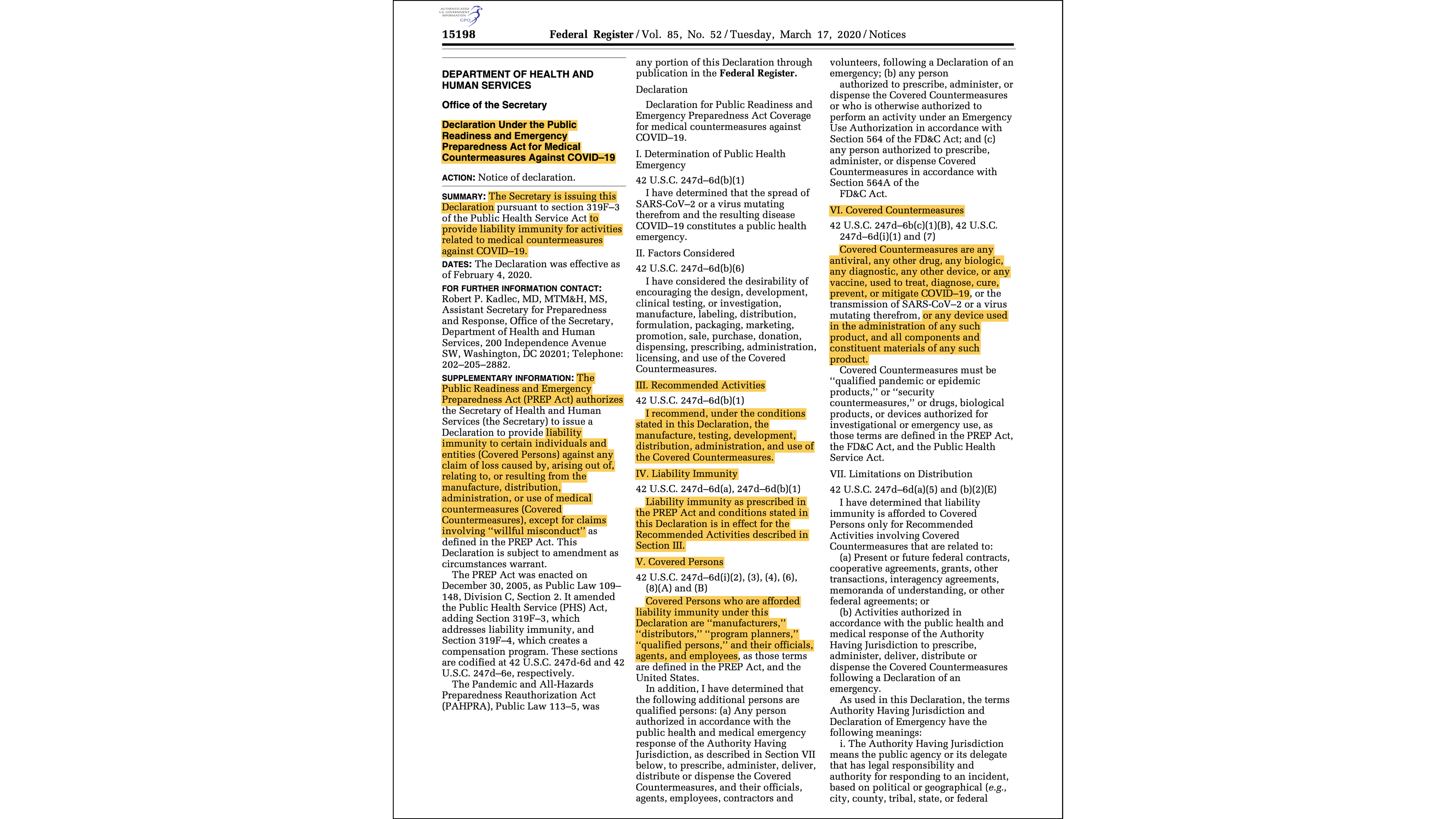
The PREP Act granted complete immunity from liability for losses caused by “covered countermeasures” against COVID, including “any antiviral, any other drug, any biologic, any diagnostic, and any other device.” Remdesivir is classified as an antiviral drug. The paralytics used before intubation are drugs. Mechanical ventilators are devices. Every single component of these hospital protocols was a covered countermeasure.
The immunity covered everyone involved: the pharmaceutical company that produced remdesivir, the device company that supplied the ventilator, the hospital where the protocols were implemented, the physician who wrote the orders, and the nurse who carried them out. Everyone involved in the COVID protocols was shielded.
The only exception carved out by the PREP Act is “willful misconduct”—but short of a signed confession from someone saying “I intentionally killed COVID patients,” the exception does not exist.
They knew what they were doing
The excuse that “nobody knew,” or that hospitals were simply following the best available evidence, is absurd. Warnings existed before the COVID protocols were implemented and continued afterward. Hospitals ignored them regardless.
The evidence that the protocols were harmful existed before they were broadly implemented. Problems with remdesivir were known before its FDA authorization, and ICU physicians already understood that high-pressure ventilation can kill patients—yet the COVID protocols abandoned established practice by pushing for early, aggressive intubation. In March 2020, Dr. Cameron Kyle-Sidell, an ICU physician in New York City, warned that the ventilator protocols would cause “a tremendous amount of harm to a great number of people in a very short time.”
After the protocols were implemented, evidence of harm continued to emerge, but hospitals maintained them. In May 2020, Dr. Pierre Kory, who was running a COVID ICU in New York at the time, testified before a Senate committee and warned that the hospital protocols were killing patients. Kory and Dr. Paul Marik founded the Front Line COVID-19 Critical Care Alliance, a group of physicians that warned against remdesivir and early mechanical ventilation while documenting protocol-driven mortality. Many physicians around the country, including Dr. Peter McCullough and Dr. Mary Talley Bowden, sounded the alarm. On 20 November 2020, the World Health Organization issued a formal recommendation against remdesivir, but American hospitals continued administering it. Nurses spoke to local media, posted videos, and filed internal complaints describing patients deteriorating after remdesivir, being intubated against their will, and dying alone without their families—but they were fired, threatened, or silenced while the protocols continued.
The most profitable years ever
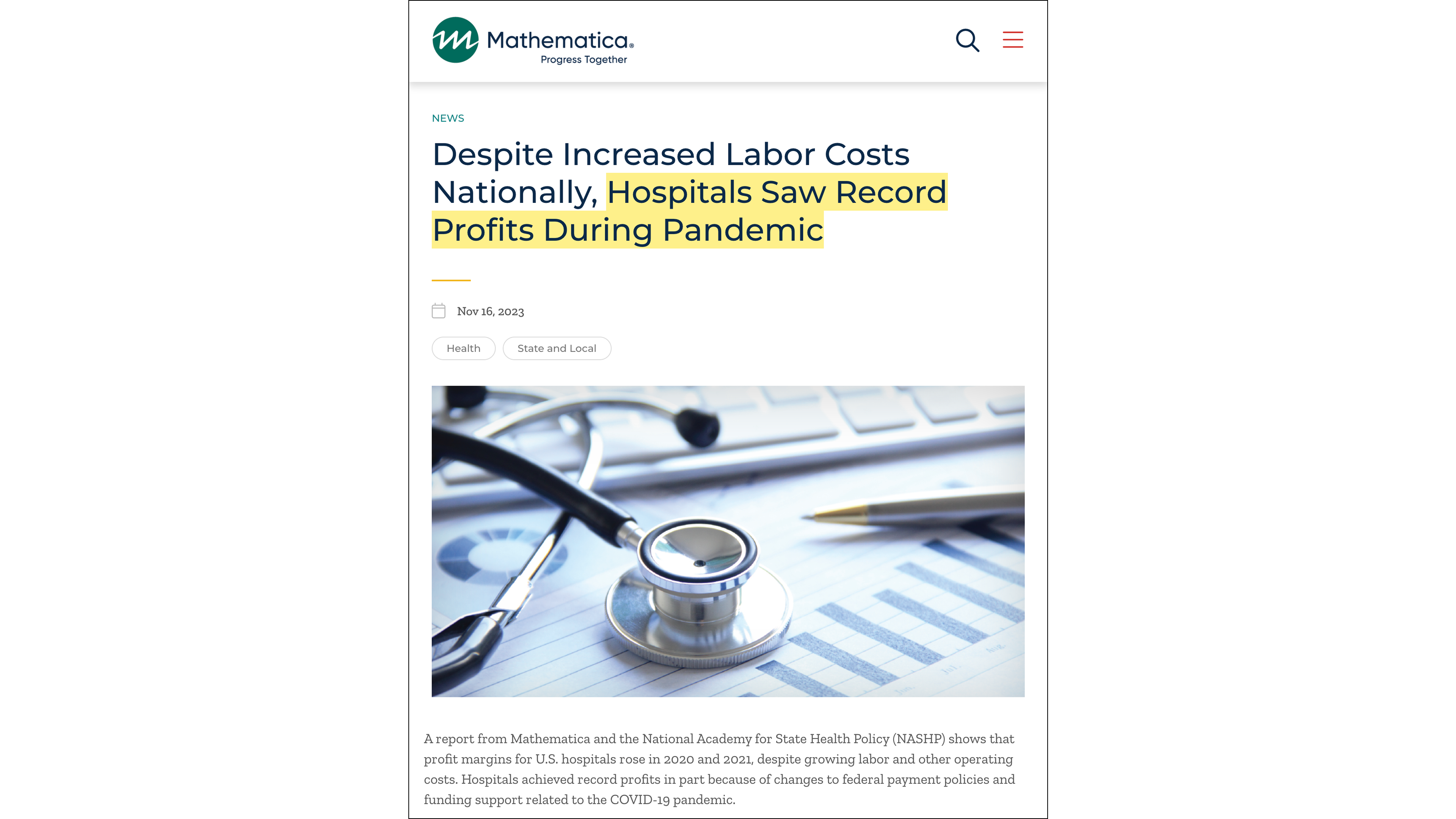
For large hospitals, the COVID era was the most profitable period in their history.
According to a Mathematica analysis of more than 35,000 Medicare cost reports spanning 2011–2021, median net profit margins for U.S. hospitals reached their highest levels ever in 2020 and 2021. A separate JAMA Health Forum study of 4,423 hospitals found that median operating margins climbed to an all-time high of 6.5% during 2020/2021—more than double the pre-COVID median of 2.8%. A Kaiser Family Foundation analysis found that the three largest for-profit health systems maintained operating margins above pre-COVID levels for nine of the first eleven quarters of the COVID era. HCA Healthcare—the largest for-profit hospital chain in America—reported $3.75 billion in profit in 2020, up from $3.5 billion the year before. Its CEO took home more than $30 million.
Conclusion
The hospital protocols that maximized reimbursement were also the ones that maximized mortality. By combining federally subsidized protocols with legal immunity for everyone involved, the system created a self-reinforcing loop in which the deaths produced by the protocols were used to justify their continuation.
If COVID deaths were accurately recoded, the medical system would be exposed not as a savior, but as a primary driver of mortality.
Until we acknowledge that the medical system is a primary driver of mortality, we will keep looking for answers in the very institutions that profit from our decline.
If you found this useful, share it with a friend, become a paid subscriber, or gift a subscription. Paid subscriptions give you full access to every article and help this Substack climb the rankings to reach more readers.
Update: The Dr. Wojak Substack Chat has been overhauled. It used to get noisy—now paid subscribers control new threads, keeping discussions focused and higher quality. Everyone can still read and reply. If you left before because of notification fatigue, that’s been fixed—and worth coming back to.
Further reading:
Healthcare Is the #1 Cause of Death — and It’s Not Even Close

The medical system’s own data admits it.
